
Traffic Crisis in Jakarta: How Progressive Tax Policies Could Help Fix It
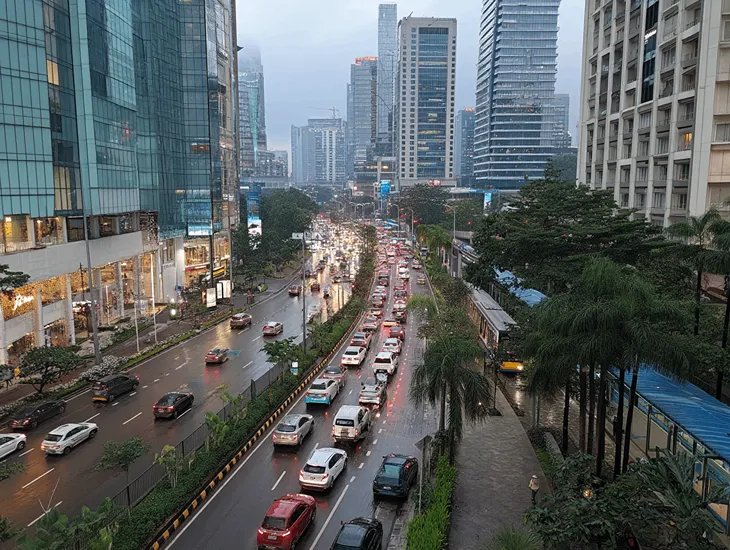
Investors frequently commute between commercial hubs and island offices. Congestion creates severe operational delays. Managing a business in Indonesia requires smooth mobility for staff.
The Traffic Crisis in Jakarta wastes corporate resources daily. Lost productivity costs the economy trillions annually. Companies lose revenue while staff remain stuck on roads.
Governments are responding with aggressive regional fiscal policies. They increase progressive taxes on private vehicles heavily. Operating multiple cars carries a high financial burden.
Mismanaging corporate assets leads to excessive tax liabilities. Unwanted attention from authorities disrupts your operations. You risk depleting your capital on avoidable administrative fees.
Restructure your vehicle ownership to avoid escalating fees. According to official tax regulations, strict compliance is mandatory. Strategic planning helps you navigate regional updates.
We provide expert advice for managing your fleet. Our team analyzes progressive tax rates for specific vehicles. We help minimize transportation expenses while maintaining legal compliance.
Table of Contents
- Understanding the Fiscal Reality of Congestion
- New Progressive Vehicle Taxes for Owners
- Limitations of Single Policy Solutions
- Congestion Pricing Models for Urban Centers
- Real Story: Fleet Management in Senopati
- Corporate Versus Personal Vehicle Ownership
- Strategies for Fleet Management in Indonesia
- Mitigating the Traffic Crisis in Jakarta
- FAQs about Traffic Crisis in Jakarta
Understanding the Fiscal Reality of Congestion
Vehicle numbers have tripled over the last decade alone. This rapid growth creates immense logistical challenges for every business in Indonesia. Authorities recognize that physical infrastructure cannot meet massive demand.
Local governments face significant budget cuts for transportation. Central transfers to regional authorities have decreased recently. This reduction limits available funds for public transit improvements and essential road maintenance.
Generating independent revenue is now a major priority for local districts. Officials must find new ways to fund transport services. They are exploring strict financial tools to discourage private driving.
Addressing the Traffic Crisis in Jakarta requires comprehensive financial strategies. Authorities need sufficient funding to revitalize public railway and bus systems. These improvements provide viable alternatives for the growing population.
Foreign investors must prepare for significantly increased mobility costs. Your company will face higher levies when operating vehicles in major commercial hubs. Understanding these fiscal changes protects your operational budget.
Strategic mobility planning ensures your company remains competitive. We help you evaluate the financial impact of regional transport levies. Our support allows you to maintain smooth operations despite infrastructure challenges.
Regional governments apply progressive taxes on multiple vehicles constantly. This system targets vehicles registered under the same name and address. The policy aims to discourage individuals from owning numerous cars.
New regulations simplify the progressive brackets for vehicle owners. Rates for second and subsequent vehicles have increased slightly this year. The base rate for a first vehicle remains steady today.
Business entities benefit from a completely different tax structure. Companies pay a flat rate for their registered corporate vehicles. This avoids the escalating progression applied to individual private citizens.
Accurate vehicle registration is crucial for avoiding excess taxes. The government uses digital data to track ownership accurately. Attempting to split names across addresses is monitored by strict local authorities.
We analyze your current vehicle registrations to ensure absolute accuracy. Proper structuring prevents your company from paying individual progressive rates. This service protects your corporate capital from administrative erosion.

Progressive taxes boost local regional revenue significantly each year. They improve the overall accuracy of regional vehicle ownership data. Researchers conclude that this tax alone cannot solve urban congestion permanently.
Financial deterrents require corresponding traffic restriction policies to succeed. Restricting specific vehicles from central areas reduces volume directly. Taxes must work alongside physical limitations to improve road conditions completely.
Public support is absolutely vital for any new restrictive policy. Citizens need reliable and affordable public transport as a substitute. Without viable alternatives, higher taxes simply increase living costs.
Enforcement against aggressive tax avoidance remains a major challenge. Some owners register vehicles under different addresses to evade progressive rates. Strict administrative checks are necessary to maintain a fair system.
A comprehensive approach pairs vehicle ownership taxes with road-use pricing. This combined method provides funds for infrastructure while discouraging private driving. We monitor these policy shifts to protect your business.
Navigating these changing regional policies requires constant vigilance from foreign directors. Our team provides the insights needed to adapt your fleet strategy. We ensure you remain compliant while minimizing costs.
Policymakers are preparing to introduce electronic road pricing soon. This model charges private vehicles for entering specific central districts. It targets highly congested commercial zones during peak operational hours directly.
Addressing the Traffic Crisis in Jakarta requires these congestion pricing models. These charges can save trillions of rupiah in traffic-handling costs. The city plans to reallocate funds towards transport subsidies.
This proactive approach creates a sustainable cycle for urban mobility. Commercial freight and emergency vehicles usually receive strict exemptions. Priority users and public transit are also exempt from these fees.
Past restriction schemes proved that policy interventions reduce volume effectively. Political resistance remains the primary barrier to permanent implementation. The technical infrastructure for electronic pricing is already feasible for deployment.
Foreign directors must calculate these impending fees into their budgets. Commuting to commercial hubs will soon carry direct daily costs. We help you plan tax-efficient mobility budgets for your staff.
David, a logistics director from Sydney, expanded his delivery routes to the Senopati district. He faced immediate logistical challenges due to severe urban congestion.
He registered his delivery vehicles under his personal name initially to save time. He believed his small fleet would avoid strict commercial oversight from local officials.
The progressive tax rates quickly escalated his annual expenses. He received a massive tax bill for his sixth delivery vehicle. These escalating costs severely strained his operational budget.
He tried to transfer registrations without proper legal guidance. The local tax office rejected his applications because his personal tax ID did not match the corporate licenses.
His vehicles remained grounded for weeks pending a formal tax clearance. He spent days arguing with officials over mismatched registration documents. This administrative hurdle paralyzed his local operations completely.
He then hired our firm to restructure his assets legally. We transferred all vehicle registrations to his corporate entity correctly. David successfully qualified his fleet for the flat corporate rate.
Choosing how to register a vehicle impacts your finances deeply. Personal ownership subjects you to escalating progressive tax brackets constantly. Each additional car increases your total financial liability exponentially.
Corporate ownership under a PT PMA offers complete financial predictability. Companies pay a flat percentage on all their registered vehicles. This stable rate encourages business expansion within regional markets.
Transferring assets to your company requires strict administrative compliance. You must provide official corporate documents to the registration office. Accurate paperwork prevents long delays during the complex ownership transfer process.
Using personal vehicles for business creates compliance risks during audits. The tax office scrutinizes personal deductions applied to corporate accounts. Maintaining a clear separation protects your company from regulatory penalties.
We manage the complex asset transfer process for your growing company. Our experts ensure all vehicles are registered under the correct legal entity. This action prevents unnecessary progressive taxes.
Managing a corporate fleet requires continuous monitoring of tax regulations. You must track the annual renewal dates for every vehicle. Missing a payment deadline triggers instant administrative late fees.
A centralized tracking system prevents costly administrative oversights completely. Your finance team should document all vehicle-related expenses carefully and accurately. This includes fuel, maintenance, and mandatory annual regional taxes.
Foreign owners must align their fleet policies with local laws. You cannot use foreign licenses for commercial driving operations. Ensure your staff hold the correct documentation to avoid sudden fines.
Prepare your corporate budget for upcoming urban congestion charges. Mapping your typical transport routes helps estimate these future expenses. Adjusting your schedules can minimize your exposure to peak-hour fees effectively.
Our team provides comprehensive strategies for your commercial fleet. We audit your transportation expenses to identify potential tax savings. Secure your operational efficiency with our expert local guidance and adherence.
Navigating the Traffic Crisis in Jakarta demands proactive financial planning. Relying on outdated strategies leaves your company vulnerable to new policies. You must adapt to the shifting regulatory landscape quickly.
The government uses digital databases to cross-check ownership records. Attempting to bypass progressive taxes is highly risky and illegal. Transparency is the only safe strategy for foreign investors operating businesses.
Non-compliance affects your corporate licenses and residency standing directly. Unpaid vehicle taxes create red flags during your annual audits. Protect your long-term investment by adhering to all regional tax mandates.
Partnering with a professional tax advisor guarantees your full compliance. We handle the complicated administrative tasks on your behalf. You can focus completely on growing your business in Indonesia securely.
Secure your family finances by avoiding unnecessary regulatory fines entirely. We provide the expertise needed to navigate these complex regional taxes. Contact our team to safeguard your corporate assets today.
Rapid vehicle growth and limited transit infrastructure cause severe urban congestion across major commercial hubs.
No, corporate entities pay a flat tax rate on vehicles, avoiding the progressive brackets for individuals.
Registering cars under a corporate entity provides a flat rate and significant tax benefits for firms.
Authorities are planning electronic road pricing to charge private vehicles entering central commercial zones during peak hours.
Yes, motorcycles registered to the same owner and address face progressive rates in many regions.
No, they must be paired with improved public transport and physical traffic restrictions to work effectively.
Need help with the Traffic Crisis in Jakarta, Chat with our team on WhatsApp now!
Gita
Gita is graduate from Udayana University and a dedicated blog writer passionate about crafting meaningful, insightful content with focus on topics related to work, productivity, and professional growth.