
What 3 Lessons Can PT PMA Owners Learn from Ancient Tax Systems?

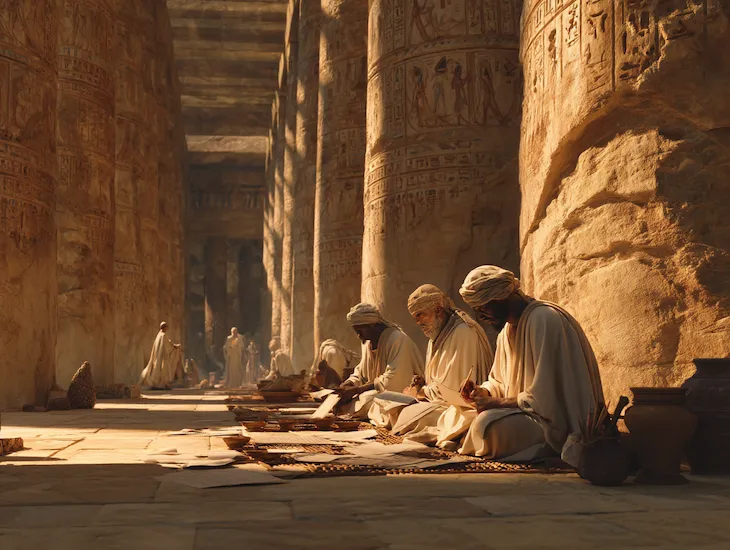
Taxation might feel like a modern invention, but long before spreadsheets and Coretax systems, the Pharaohs of ancient Egypt had already mastered fiscal organization 🏺. They measured grain harvests, tracked trade routes, and recorded contributions on papyrus — creating one of the earliest blueprints for economic governance 💰.
For PT PMA owners in Indonesia, these ancient lessons still resonate today: accountability, transparency, and structured compliance remain the pillars of a healthy fiscal system. Just as scribes once audited farmers’ yields, modern auditors now ensure businesses maintain accurate records within the Coretax 2026 system ⚖️. When reporting fails, both kingdoms and companies feel the consequences.
Today’s digital transformation — driven by the Directorate General of Taxes (DJP) and the Ministry of Finance — continues the Pharaohs’ mission: building stable, trusted revenue systems that sustain national growth 🌏. The tools may have evolved from papyrus to cloud databases, but the essence remains the same — fairness and precision.
For foreign investors in Bali and beyond, the real lesson from history is clear: success doesn’t come from avoiding tax, but from mastering it 📈. Just as Egypt built pyramids on disciplined management, modern PT PMAs can build lasting trust through compliance and digital readiness 🏛️.
Table of Contents
- Lessons from Ancient Egypt’s Tax Systems for Modern PT PMA 💼
- How Ancient Tax Collection Inspired Coretax 2026 Reforms ⚙️
- Egyptian Tax Collection History and Modern Fiscal Lessons 📜
- Key Principles of Tax Governance Evolution for Businesses 📊
- How PT PMA Owners Apply Ancient Fiscal Wisdom Today 💡
- Digital Fiscal Management 2026: Then and Now 🌐
- Coretax 2026 and Indonesia’s Modern Compliance Revolution 💻
- Real Story: How a PT PMA Used Ancient Lessons for Success 💬
- FAQs About Ancient Tax Systems and Coretax 2026 ❓
Lessons from Ancient Egypt’s Tax Systems for Modern PT PMA 💼
Thousands of years before modern accounting existed, ancient Egypt had one of the world’s first tax collection systems 📜. Pharaohs ordered grain, gold, and livestock contributions from farmers — a clever way to sustain the economy without printed money.
Each taxpayer’s contribution was recorded on papyrus scrolls, overseen by trained scribes — the “accountants” of their era 💼. This ancient method may seem distant, but it represents something every PT PMA owner in Indonesia must grasp: organized documentation is the foundation of fiscal health.
In 2026, digital reports replace papyrus, yet the principle is identical — your financial data must be accurate, timely, and reviewable. Modern tools like Coretax 2026 simply automate what ancient Egypt already understood — transparency builds trust between citizens and the state.
(Source: pajak.go.id)
In ancient Egypt, inspectors traveled along the Nile to verify production records and ensure taxes matched the harvest 🌾. That early version of “field audits” kept corruption low and accountability high.
Indonesia’s Coretax 2026 reform works the same way, except the Nile has turned digital 🌐. Instead of manual inspections, data now flows through connected platforms that synchronize taxpayer information with the Directorate General of Taxes (DGT).
Just like scribes, modern accountants must ensure records are clean before submission. For PT PMA businesses, the lesson is clear: compliance begins with accuracy, not just payment. When your numbers align with government databases, approval becomes faster and risk-free ⚖️.
(Source: kemenkeu.go.id)

The Egyptians collected taxes not to punish but to build — canals, granaries, temples, and defense systems. Taxation was seen as a shared duty to strengthen the kingdom 🏛️.
Similarly, Indonesia’s fiscal modernization through Coretax 2026 aims to make tax collection purposeful — ensuring every rupiah supports infrastructure, education, and digital transformation.
PT PMA owners can draw a valuable insight here: tax is not an expense but an investment in national stability. By contributing fairly, businesses reinforce trust with regulators and communities alike. Egypt thrived because its people viewed tax as a tool for prosperity — the same mindset benefits Indonesia’s modern entrepreneurs today 🌏.

Across history, successful tax systems relied on three key pillars — clarity, accountability, and adaptability 💼. Ancient Egypt had temple scribes; Indonesia now has AI-based Coretax validation. Both systems evolved around the same truth: clear records prevent chaos.
The evolution of tax governance teaches today’s PT PMA owners the importance of structure. Just as ancient farmers balanced grain reports, CFOs must reconcile digital ledgers, e-Faktur, and VAT filings.
Adaptability matters most — those who resisted updates to Egypt’s temple rules lost favor with the Pharaoh; those ignoring Coretax regulations today risk penalties and audit delays. The lesson? Compliance is timeless when discipline meets technology 🔍.
(Source: kemenkeu.go.id)
Imagine if Pharaoh’s scribes had access to modern cloud accounting — they would have ruled the world of finance! Today’s PT PMA owners can apply the same mindset using Coretax 2026 integration and digital signatures.
Key takeaway: record everything. Whether it’s a digital invoice, payroll summary, or travel expense, store and sync all documents. The Egyptians survived 3,000 years of dynasties because their financial archives were systematic 📂.
In Indonesia, PT PMA compliance relies on that same discipline. The easier your data is to track, the easier it becomes to prove legitimacy to DGT and the Ministry of Finance 💻. Order in taxation equals freedom to focus on growth, not paperwork.
Digital fiscal management 2026 is not a revolution — it’s a reinvention of ancient accountability systems. The difference lies in speed ⚙️. What took months of manual record-checking in Pharaoh’s time now happens instantly through Coretax’s AI engine.
This modern infrastructure connects VAT, PPh, and e-Faktur reporting under one portal. Like Egypt’s tax scribes who traveled with scrolls, today’s accountants work with dashboards and secure logins 💼.
The core principle remains: transparency ensures sustainability. Both ancient empires and modern nations depend on consistent, honest reporting. PT PMA owners embracing digital fiscal management today will thrive long after 2026, setting the standard for compliant business in Indonesia 🌟.
The Coretax 2026 system marks a turning point in Indonesia’s governance evolution 📊. It brings together decades of fiscal reforms under one digital ecosystem.
For PT PMA owners, the benefit is dual — reduced manual work and increased credibility. Real-time monitoring, automated validation, and cloud-based reporting ensure smoother audits and faster approvals.
Just as the Pharaoh’s inspectors maintained harmony through precision, Coretax upholds fiscal order through automation. The lesson from history is crystal clear: efficient systems create trust — and trust sustains prosperity 🌍.
(Source: pajak.go.id)

Meet Jakob Meyer, a Swiss entrepreneur who founded a PT PMA logistics company in Bali 🏝️.
When Coretax 2026 was first introduced, his team struggled to adapt to new reporting formats. Late filings caused audit warnings, and frustration grew among his finance staff.
Instead of blaming the system, Jakob took inspiration from Egypt’s scribes. He created a “digital papyrus log,” an internal checklist that tracked every tax submission in order — mirroring ancient recordkeeping discipline 📋.
Within three months, his PT PMA cut reporting errors by 90 %. Refund approvals became faster, and his company was later recognized by DGT as an early Coretax compliance model.
Jakob says, “I realized that structure is timeless — from Pharaoh’s tablets to today’s tax servers, accuracy always wins.” His story proves that ancient principles still power modern success, especially when combined with digital innovation and transparent communication with regulators 🌟.
(Source: pajak.go.id)
Both emphasize order, accountability, and accurate records — values that ensure strong governance in any era.
By adopting consistency and documentation discipline, businesses improve compliance and gain trust with DGT.
It reduces manual work, prevents errors, and helps smaller firms manage fiscal data like large corporations.
Yes, visit kemenkeu.go.id and pajak.go.id for verified news and policy guidelines.
Structure and transparency — two ancient values that remain the backbone of Indonesia’s digital fiscal future 💼.
Need help with Coretax 2026 or PT PMA tax compliance? 💼 Chat with our Bali experts on WhatsApp! ✨
Karina
A Journalistic Communication graduate from the University of Indonesia, she loves turning complex tax topics into clear, engaging stories for readers.