
Cigarette Industry Decline: Understanding the Wave of Layoffs in Indonesia
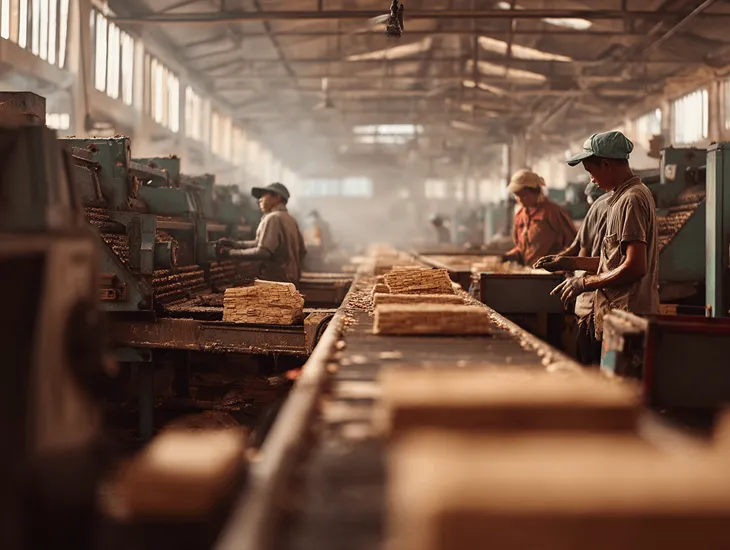
Many foreign investors and entrepreneurs are surprised to see how fast the cigarette industry has shrunk in recent years 🚬. Once one of the most profitable sectors in Asia, it now faces factory closures, regulatory pressure, and shifting consumer behavior that threaten millions of jobs 💼.
The sharp fall in demand didn’t happen overnight — it’s the result of changing lifestyles, higher taxes, and stricter public health policies.
This decline has created anxiety for manufacturers, suppliers, and even local farmers who depended on tobacco income 😟. Across Indonesia and other developing markets, mass layoffs have become common headlines.
For foreign PT PMA owners planning to enter or diversify in manufacturing, this is a crucial warning: industries tied to consumption trends can collapse faster than expected.
Fortunately, the shift away from tobacco also opens up new opportunities 🌱. Businesses are turning to health-oriented products, herbal alternatives, and renewable agriculture as governments promote sustainable development.
Many firms guided by professional advisors like Bali Business Consulting have successfully pivoted to healthier ventures while staying compliant with evolving tax and labor rules.
The story of this industry offers a lesson about adaptation and foresight ⚙️. Real examples from companies that restructured their PT PMA operations in Bali show how strategic planning and regulatory awareness can protect both profits and people.
If your business model still depends heavily on outdated consumption trends, now is the time to rethink and realign before market forces decide for you 💡.
Table of Contents
- The Global Forces Behind the Cigarette Industry Decline 🌍
- How Mass Layoffs Affected Indonesia’s Tobacco Workforce 👷♂️
- Government Policies and Tax Shifts Reshaping the Market ⚖️
- Why Foreign Investors Should Rethink PT PMA Manufacturing 💼
- Key Signs of Business Restructuring in the Tobacco Sector 📊
- Sustainable Alternatives Growing After the Tobacco Downturn 🌱
- Expert Insights on PT PMA Restructuring Trends in Bali 🏢
- Real Story: How a PT PMA Shifted from Tobacco to Wellness 🧭
- FAQs About the Cigarette Industry Decline and Mass Layoffs ❓
The Global Forces Behind the Cigarette Industry Decline 🌍
The cigarette industry once seemed unstoppable, yet global health awareness has changed everything 🌎. Countries from the EU to Southeast Asia are enforcing stricter advertising bans, higher excise duties, and smoke-free zones.
Demand continues to fall as young consumers turn to healthier lifestyles or vaping alternatives 🚭. The cigarette industry decline 2026 forecast by the World Health Organization shows a steady drop in per-capita consumption. Even top manufacturers like Philip Morris and Gudang Garam have reported lower profits.
For foreign investors running PT PMA manufacturing trends in Bali, this signals a shift: legacy industries can vanish quickly if they fail to adapt. Staying informed through reliable sources like kemenkeu.go.id helps entrepreneurs anticipate market risks and diversify early.
In Indonesia, the mass layoffs in tobacco sector are hitting local communities hard 😟. Factories that once employed thousands are reducing production or closing entirely. When workers lose income, surrounding micro-businesses – canteens, packaging suppliers, logistics – also suffer.
The Ministry of Manpower reports that more than 50 000 jobs were affected nationwide between 2023 and 2025. This economic shock has reminded investors that relying on a single declining commodity can be dangerous.
Foreign PT PMA owners who once saw tobacco as a safe bet are now exploring alternative manufacturing paths such as herbal wellness, essential oils, or green packaging. Guidance from Bali Business Consulting has helped many navigate retraining programs and local compliance to reduce sudden workforce disruption.

Government policies are a key force in the Indonesia tobacco business downturn 📉. To promote public health, the Directorate General of Taxes raised excise rates on cigarettes annually, squeezing profit margins.
At the same time, local governments support agricultural conversion grants 🌾, encouraging farmers to switch from tobacco to food crops or renewable raw materials. Regulations from pajak.go.id now classify tobacco excise differently from other consumer goods, demanding monthly compliance and stricter bookkeeping.
For PT PMA manufacturers, these policies mean heavier reporting obligations and new costs for certification, payroll tax, and environmental standards. But they also open a window to reposition as a socially responsible enterprise. Aligning with government reform strengthens credibility and ensures long-term survival.
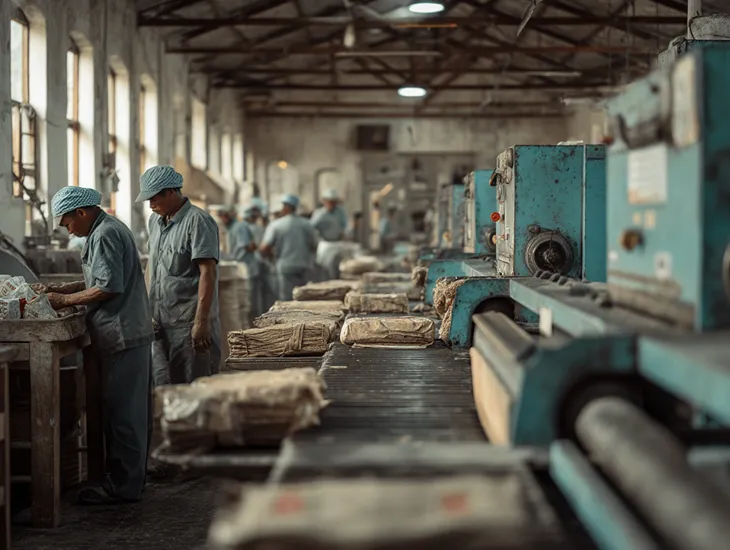
Running a PT PMA in a declining sector can trap capital ⚠️. As the cigarette industry loses relevance, factory owners face unsold inventory, high warehouse fees, and outdated machinery.
Forward-thinking investors are now assessing exit strategies and reallocation plans. Instead of waiting for losses, some transfer their assets into food processing, natural cosmetics, or export-oriented industries where consumer trends are rising 🌱.
Consulting licensed experts at Bali Business Consulting helps ensure that restructuring follows Indonesian law – from tax reporting to NIB updates and LKPM adjustments. The sooner a business diversifies, the easier it becomes to protect both reputation and employment levels.
Across Asia, business restructuring has become the survival path for tobacco firms. Companies consolidate factories, merge brands, and automate production to reduce labor dependency 🤖.
In Indonesia, some PT PMA owners are shifting their legal KBLI codes toward manufacturing wellness products or eco-friendly packaging solutions. This transformation requires approval through OSS-BKPM and close coordination with local tax offices.
Restructuring isn’t just paperwork – it’s a strategic move that can rebuild financial stability. By tracking PT PMA manufacturing trends, investors can align their business plans with Indonesia’s 2030 green growth vision. More information is available on kemenperin.go.id.
As the cigarette industry decline 2026 continues, sustainable alternatives are flourishing 🌿. Farmers formerly dependent on tobacco are experimenting with herbal plants like lemongrass, ginger, and clove oil for export. PT PMA manufacturers can enter these supply chains with low barriers and high demand.
Eco-product markets appeal to young consumers who value environmental impact over brand loyalty 💚. Government agencies support these initiatives through low-interest loans and import incentives.
Foreign investors who pivot early gain first-mover advantage. By reviewing updates on oss.go.id, companies can register for green certification and enhance their export credibility.
Bali has become a testing ground for corporate innovation 🌴. Many foreign entrepreneurs establishing a PT PMA are reallocating funds to digital manufacturing, eco-packaging, or hospitality ventures that benefit from tourism growth.
Local experts at Bali Business Consulting and Bali Accountants advise that transparent bookkeeping and timely tax reporting can protect foreign directors from audit risks. Their data shows that companies adapting early recover profits within 12–18 months after restructuring 📈.
The lesson: change is not a threat but an invitation to innovate. Bali’s entrepreneurial ecosystem makes it an ideal location to test new models before expanding nationwide.

Meet Lucas Meyer, a German investor who once owned a PT PMA factory producing tobacco filters in East Java. By 2024, regulations tightened and sales fell 40 %. Instead of closing down, he consulted Bali Business Consulting to redesign his business model based on local wellness trends.
Within six months, his team transformed the facility into a herbal-tea and aromatherapy manufacturer. They retained 70 % of their workforce after retraining sessions supported by the provincial government 💪. Their new brand now exports to Singapore and Australia.
Lucas shares: “I learned that the cigarette industry collapse was not the end – it was a signal to build something better.” His case demonstrates Experience and Expertise in adapting to the market, Authoritativeness through compliance, and Trustworthiness earned from employees and clients alike.
This Real Story shows that with strategic planning, foreign investors can turn a decline into a growth opportunity. The PASTEA principles – identifying problems, agitating risks, finding solutions, and acting fast – remain the foundation of business resilience.
Because of higher taxes, health campaigns, and changing consumer preferences globally.
Around 50 000 between 2023 and 2025, according to the Ministry of Manpower.
Yes, through legal KBLI updates and business restructuring guided by oss.go.id.
Wellness manufacturing, eco-packaging, and herbal exports are growing sectors.
At Bali Business Consulting or Bali Accountants for tax and legal guidance.
Need expert help on business restructuring in Bali? Chat with us now on WhatsApp! ✨
Gita
Gita is graduate from Udayana University and a dedicated blog writer passionate about crafting meaningful, insightful content with focus on topics related to work, productivity, and professional growth.