

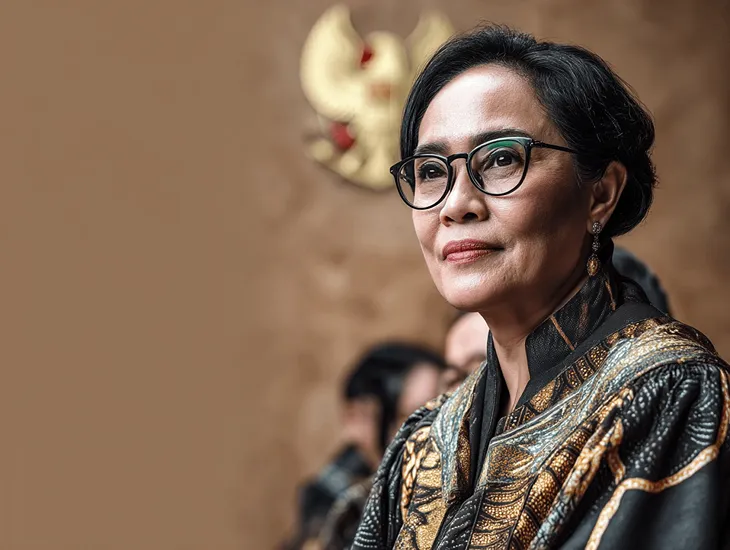
Will Sri Mulyani’s G20 Tax Agenda Reshape Global Rules for PT PMA in Bali?
Global discussions on fair taxation are once again in the spotlight as Sri Mulyani, Indonesia’s Minister of Finance, calls for a more inclusive approach during the recent G20 summit 🌍. For foreign entrepreneurs managing or planning a PT PMA in Bali, her message signals a potential transformation in how multinational profits and cross-border revenues are monitored through the Directorate General of Taxes.
While global tax reforms often sound abstract, their local impact can be profound ⚙️. A single adjustment in the G20 Tax Agenda could influence how PT PMA companies report digital income, manage transfer pricing, or claim double-tax reliefs under treaties supervised by the Ministry of Finance Indonesia. Many foreign business owners are still unsure how these changes might affect their compliance obligations within Bali’s evolving fiscal ecosystem 💼.
Experts from Bali Business Consulting note that aligning corporate filings with international transparency standards can enhance investor trust ✨. By using verified systems such as Coretax DJP Online and banking channels monitored by Bank Indonesia, foreign-owned entities can ensure their tax records remain synchronized with both domestic and global frameworks.
As G20 members strive for cooperation on profit allocation and digital economy taxation, PT PMA owners in Bali have a rare opportunity to adapt early 🌿. Taking proactive steps to verify compliance through digital integration doesn’t just meet legal standards—it strengthens the foundation for sustainable global business growth in Indonesia’s competitive market.
Table of Contents
- How Sri Mulyani’s G20 Tax Agenda Impacts PT PMA Owners 🌍
- Understanding Indonesia Ministry of Finance Reform 💼
- Adapting to Inclusive Global Taxation Policy ⚖️
- Streamlining Reports via Coretax DJP Online System 🧾
- Strengthening Foreign Investment Compliance in Bali 🌿
- Global Tax Reform Impact on Multinational Operations 🌐
- Real Story: A Bali Investor’s Fiscal Adjustment Journey ✨
- Building Fiscal Transparency for Long-Term Growth 📊
- FAQs About G20 Tax Agenda and PT PMA in Bali ❓
How Sri Mulyani’s G20 Tax Agenda Impacts PT PMA Owners 🌍
The G20 Tax Agenda led by Sri Mulyani is reshaping how foreign investors manage taxes in Indonesia. Her vision promotes fairness in the global economy, ensuring that profits made across borders are reported transparently 💼. For PT PMA in Bali, this means aligning accounting practices with global standards while maintaining compliance with national rules.
Many foreign entrepreneurs are realizing that digital businesses can no longer hide behind jurisdictional loopholes 🌐. This agenda supports the idea that every company, regardless of size, contributes its fair share. For young investors or students planning to start international ventures, understanding these principles helps build a responsible business mindset early on 🌿.
 The Indonesia Ministry of Finance reform under Sri Mulyani’s direction is focused on digital transparency and fairness. Through upgraded systems, financial reports and corporate tax data can now be synchronized seamlessly. For PT PMA owners, this is not just about compliance—it’s about trust 🧾.
Reforms encourage businesses to use online tools for tax submissions and verification. This reduces fraud and speeds up communication with authorities. Entrepreneurs in Bali benefit from easier document processing, reducing time wasted on manual filings 💡. These improvements help Indonesia attract responsible investors who value stability and professionalism in fiscal management.
The inclusive global taxation policy aims to close the gap between developing and developed economies 🌏. It ensures fair taxation for digital services, multinational corporations, and investment-driven companies. For PT PMA in Bali, this is a reminder that compliance goes beyond local obligations—it’s part of a larger movement for equity.
Adapting means learning how new rules affect pricing, contracts, and profit declarations. Companies must evaluate how their digital sales and international revenues are reported 🧩. Students studying business can see this as a real-world lesson in ethical economics—where inclusion leads to stronger and more sustainable growth for all.
The Coretax DJP Online system is Indonesia’s modernized digital platform for tax management. It connects taxpayers directly to government servers, enabling faster validation and transparent oversight 💻. For PT PMA in Bali, using this system properly ensures accuracy and credibility in every submission.
This platform helps detect mismatches between invoices, imports, and payments, preventing costly errors ⚙️. Many local companies already report smoother audits since switching to Coretax. It’s also an excellent example for students of how digital governance simplifies public administration—turning complex processes into efficient, data-driven results 📊.
Maintaining foreign investment compliance in Bali means ensuring every transaction follows both local and global tax principles. Investors must regularly audit their operations to prove transparency. This protects their businesses from penalties while fostering trust with the government 🤝.
Bali’s international investment scene is growing rapidly. Many foreign entrepreneurs are learning that good compliance equals long-term success. Proper documentation and timely reporting reflect not only professionalism but also respect for Indonesia’s growing fiscal ecosystem 🌺. For young readers, this is a reminder that integrity is the strongest form of strategy.
 The global tax reform impact is already visible across multinational companies operating in Indonesia. New frameworks ensure profits are taxed where they’re earned—not where companies hide them 📈. This balances economic opportunities and limits unfair competition between small and large firms.
For PT PMA in Bali, staying updated with these global rules prevents disruptions during audits or foreign transactions. It’s also a powerful lesson on adaptability—knowing that responsible taxation builds a stronger brand reputation 🌿. The G20 agenda reminds businesses that compliance is not a burden but an investment in credibility and growth 💡.
Meet Alexander, a 32-year-old entrepreneur from Germany managing a PT PMA in Bali. His company, focused on eco-friendly homeware exports, faced confusion when Indonesia adopted new G20 Tax Agenda policies. His accountant discovered that outdated reporting methods were no longer compatible with the Coretax DJP Online system.
He acted quickly—consulting local professionals and attending workshops on Indonesia Ministry of Finance reform 🌿. Within months, his team learned to file digital reports accurately, reducing late fees and compliance delays. The process was challenging but eye-opening.
Alexander realized that inclusive global taxation policy wasn’t just bureaucracy—it was fairness. His transparency built strong ties with auditors and even attracted eco-conscious investors from Singapore 🌎. Today, his PT PMA operates smoothly, and he mentors other young founders in Bali on responsible taxation practices.
His experience proves that adapting to reform can lead to stability and trustworthiness 🌱—two values essential for modern business success.
Fiscal transparency is more than a legal requirement—it’s a symbol of credibility. For PT PMA in Bali, consistent reporting aligned with global tax reform impact encourages investors to see Indonesia as a secure destination 💼. Transparency nurtures confidence among clients and partners.
By following the steps promoted by Sri Mulyani’s G20 Tax Agenda, foreign companies contribute to Indonesia’s financial resilience 🌏. Students and young professionals can view this as a life lesson in ethical management: honesty in numbers reflects honesty in business. The result? Stronger partnerships, stable profits, and a trusted reputation that lasts for decades ✨.
It aligns Indonesia’s tax system with global standards, ensuring fair taxation for international businesses.
By using digital platforms like the Coretax DJP Online system for accurate reporting and timely submissions.
Yes, it applies to all registered entities that earn or transfer profits across borders.
It may face audits, delayed approvals, or even fines under the Ministry of Finance regulations.
Yes, many consulting firms in Bali specialize in foreign investment compliance and fiscal guidance.
Need guidance on PT PMA tax and compliance in Bali? Chat with our experts on WhatsApp now! 💬✨

Karina
A Journalistic Communication graduate from the University of Indonesia, she loves turning complex tax topics into clear, engaging stories for readers.
