
What Is the Global Minimum Tax and Why Does It Matter in Indonesia?

The world is changing fast 🌏, and so is how global companies pay taxes. When multinational groups shift profits to low-tax countries, it hurts fair competition and reduces national revenue. That’s why the Global Minimum Tax (GMT)—a 15 percent floor on corporate profits—was created under the OECD’s Inclusive Framework, aiming to close loopholes that let big players pay less than small local firms 💼.
In Indonesia, this policy matters more than ever. As the Directorate General of Taxes introduces new digital reporting systems like Coretax and “Concrete Tax Data,” transparency is no longer optional 📊. Large PT PMA entities and multinational subsidiaries operating in Bali or Jakarta can’t simply rely on offshore structures anymore. The Ministry of Finance and the Fiscal Policy Agency both support this shift, emphasizing that corporate contributions should align with where value is truly created.
At first glance, a 15 percent rule may sound like just another tax burden 😅 — but it actually levels the playing field for responsible investors. The OECD confirms that consistent minimum taxation builds investor trust, strengthens fairness, and encourages countries like Indonesia to attract high-quality capital. With ASEAN neighbors such as Singapore and Vietnam aligning their frameworks, foreign-owned companies in Bali have a chance to prepare early, redesign structures, and keep their compliance clean ✅.
For entrepreneurs, accountants, and global founders in Indonesia, understanding GMT means staying ahead of policy risks and audit changes. It’s not just about avoiding penalties — it’s about future-proofing your business in an era of tax transparency 💪. Whether through smarter structuring or consultation with the Ministry of Finance, acting now ensures your PT PMA isn’t left behind when the global 15 percent rule becomes a local reality.
Table of Contents
- What Is the Global Minimum Tax and Its 15% Rule Explained 🌍
- Which PT PMA and Multinationals Are Affected in Indonesia 🏢
- How Indonesia Aligns with OECD Global Tax Framework 📑
- Why Foreign-Owned Companies Must Prepare for Compliance ⚖️
- How to Legally Restructure Tax Planning Under GMT ✅
- Impact of Global Minimum Tax on Existing Incentives 📉
- Real Story: How a Bali-Based PT PMA Reduced Tax Risk 🔍
- When Should PT PMA Owners Hire a Tax Advisor in Bali 👨💼
- FAQs About Global Minimum Tax for Indonesia ❓
What Is the Global Minimum Tax and Its 15% Rule Explained 🌍
The Global Minimum Tax (GMT) is a new standard that requires multinational companies to pay at least 15% tax on their profits, no matter where they operate. This rule was created by the OECD to stop companies from moving their profits to low-tax countries just to save money. 🌐
In simple terms, if a big company earns profits in Indonesia, but pays less than 15% tax overseas, they might have to pay the difference locally. That’s why this rule matters for companies with offices in Bali or Jakarta — there’s no more hiding profits in tax havens. 💼
This change is especially important for large PT PMA (foreign-owned companies) that often use creative tax planning. They need to make sure their business structures are fair and legal to avoid fines or back taxes. Indonesia is moving toward a more transparent tax environment, especially with systems like Coretax and digital tax audits. 📊
Not every business is affected. The Global Minimum Tax mainly applies to big corporate groups earning at least €750 million a year — but many smaller PT PMAs will still feel the indirect impact. If these companies are part of a larger international business, their parent company might require new reporting systems. 🌐
Multinationals with holding companies in Singapore, Hong Kong, or the Netherlands need to check whether GMT applies to them. If they operate in Indonesia through PT PMA structures, the Indonesian office could be asked to provide extra documentation, prove where profits are earned, and demonstrate fair tax payment. 🧾
Even if your PT PMA is under the earning threshold, tax reforms in Indonesia (including digital reporting and stricter audits) are likely to affect your compliance, invoicing, and accounting over the next few years. So being aware of the GMT is smart long-term planning. 📆
Indonesia is part of the OECD’s Inclusive Framework, which means it has agreed to apply the 15% Global Minimum Tax in the coming years. Though not fully enforced yet, Indonesia’s Ministry of Finance already confirmed it will sync with international tax policies. 🌍
The introduction of Coretax and digital reporting systems is part of a bigger plan to modernize tax administration. These updates also support the GMT by closing tax loopholes, tracking profit allocation, and ensuring fair contributions from foreign investors. 📋
Neighboring countries like Singapore and Vietnam are already adjusting their tax rules to match OECD standards. If Indonesia is too slow, it risks losing foreign investment — so alignment is happening quickly behind the scenes, and businesses are advised to prepare early. ⚙️
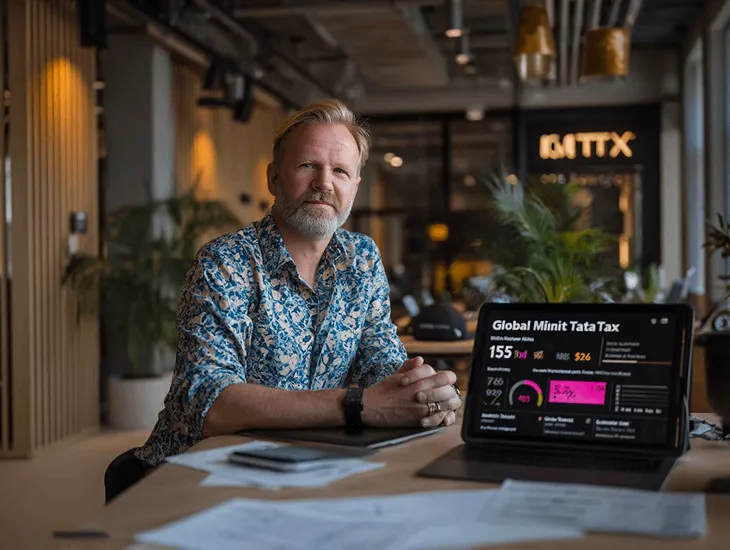
If you own a PT PMA in Bali, now is the time to get ready. Whether or not your business meets the 750-million-euro threshold, the GMT will change how offshore tax planning works. 💡
In fact, accounting teams will need to review profit distribution structures, tax-recognition methods, and annual filings. If your profits are taxed below 15% in another country, Indonesia may soon request extra payments to make up the difference. This could affect your cash flow, reporting cycles, and internal policies. 💵
To stay compliant, PT PMA owners should talk to qualified accountants or tax advisors who understand cross-border taxation and Indonesia’s upcoming implementation schedule. Being proactive now avoids problems later. 📞
Good news: you can still save money on taxes under the new system — but it must be done legally and transparently. PT PMA owners in Bali can restructure operations so that real value is created in Indonesia without depending on offshore shelters. 💼
Smart methods include shifting intellectual property rights into Indonesia, hiring more local staff, or focusing on building assets that justify profit distribution. These steps align with both Indonesian tax rules and global minimum standards. ⚖️
It’s also essential to work with accounting firms who understand both international tax law and Indonesia’s upcoming policies. They can guide you through official restructuring options instead of risky shortcuts that may lead to audits. 📚
Right now, Indonesia offers many tax incentives — like tax holidays, super deductions for R&D, and reduced rates for new investors. But with GMT coming, some of these benefits may get canceled or less useful for large multinationals. 😕
For example, if your PT PMA receives a discounted corporate tax rate of 10%, but your parent company is required to meet the 15% minimum global rate, the savings may disappear. The additional 5% could be paid somewhere else.
Smaller PT PMAs that already pay around 22% corporate tax won’t be affected as much — but companies depending on international tax breaks must evaluate whether their incentives are still useful under the GMT. 🔍
Meet Daniel Fischer, a German entrepreneur who owns a creative agency in Canggu under a PT PMA. His company earns profits in Bali and also licenses digital content from a sister company in Estonia.
Last year, Daniel’s accountant warned him that his Estonian entity paid less than 10% on its profits, which could trigger red flags under the upcoming Global Minimum Tax rules. Daniel didn’t want to lose his creativity-based tax structure — but also didn’t want future audits.
He took action by moving his licensing operations to Indonesia, registering his intellectual property locally, and hiring two more Indonesian designers to justify revenue allocation. The shift increased his tax payments slightly — but made his whole structure GMT-compliant while protecting his assets and Indonesia operations.
Now, Daniel pays fair tax, keeps investor and banking trust, and avoids the risk of being accused of profit shifting. His business runs smoothly, and he’s confident he won’t face penalties under the new rules. 💼
✅ Real people, real compliance
✅ Aligned with OECD rules
✅ Shows how early planning avoids stress later
You should talk to a tax advisor if:
- Your PT PMA has ties to foreign companies in low-tax countries
- You receive more than 50% profit from licensing or digital assets
- Your company has subsidiaries across different countries
- You’re building or selling assets across borders
Even if GMT doesn’t apply to you yet, Indonesia’s digital tax enforcement is increasing each year. Working with an advisor early helps you prepare for changes and protect your business. It’s better to plan ahead than correct mistakes later. ✅
It’s in preparation now. Regulations are expected to roll out in stages from 2025–2026.
Not directly, unless they’re part of a large multinational with global earnings over €750 million.
Some may be limited for large international groups, but many PT PMAs will still qualify under existing rules.
Only if the effective tax rate reaches 15%. Some structures may need reviewing.
Work with accountants who specialize in international tax and consider restructuring to align profit recognition with real operations.
Need guidance on PT PMA tax or Global Minimum Tax rules in Bali? Chat with us on WhatsApp now! ✨
Gita
Gita is graduate from Udayana University and a dedicated blog writer passionate about crafting meaningful, insightful content with focus on topics related to work, productivity, and professional growth.