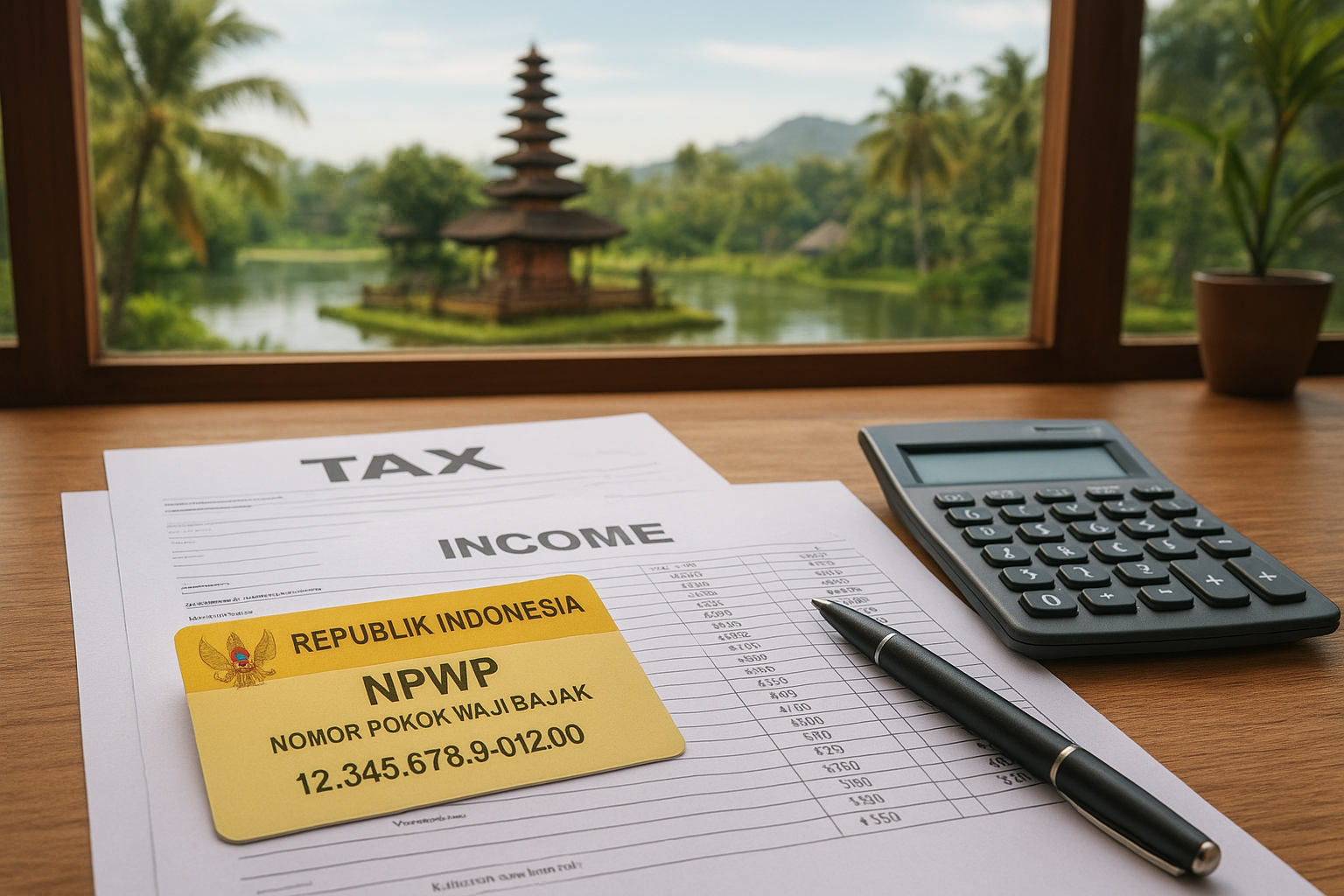
Property Tax in Bali, Indonesia: Accounting and Compliance for Villa Owners
Many foreigners investing in Bali 🌴—whether in villas, land, or PT PMA companies—wonder how tax amnesty programs in Bali impact them. The challenge is that Indonesian rules can feel complicated, especially for non-Indonesians who aren’t familiar with local regulations. Expats often ask: “If I join, will it affect my villa, my residency, or my Bali tax compliance?” Without guidance, investors risk confusion, unexpected costs, or missing opportunities.
Imagine sipping coffee by your Seminyak pool ☕ when suddenly you hear about a new tax amnesty from the Indonesian government. If you ignore it, you may face future audits. If you jump in without understanding, you could end up paying more than necessary. For foreigners, uncertainty about Bali tax compliance can quickly turn paradise into paperwork.
The good news? 🌟 Indonesia creates tax amnesty programs in Bali Indonesia to help both locals and foreigners declare assets, clear old obligations, and move forward with peace of mind. With the right advice, foreigners can benefit from reduced penalties and avoid serious issues. Professional accountants can explain villa tax accounting in Bali, property reporting, and tax rules for expats—so you don’t have to figure it out alone.
“When I joined the 2022 program,” recalls Daniel, an Australian investor in Canggu, “I was worried about overseas accounts and undeclared villa improvements. But with expert support, I learned exactly how Bali investors handle tax amnesty. The process was smooth, and now my PT PMA and property filings are fully compliant.”
For example, tax amnesty rules for expats in Bali often allow simplified declarations with reduced fees. A villa owner with undeclared renovations may pay less during an amnesty than if the issue is discovered later. Likewise, foreigners with overseas income linked to Indonesia can use the program to reset records and avoid penalties.
Ready to protect your investments and Bali lifestyle? 🚀 Let’s break down how these programs work, highlight common mistakes, and share strategies so you can enjoy paradise stress-free while staying fully compliant.
Table of Contents
- Why Foreigners Must Understand Tax Amnesty Programs in Bali 🌴
- Key Basics of Bali Tax Compliance for Expats 💼
- Common Mistakes Foreigners Make with Tax Amnesty Rules in Bali ❌
- Step-by-Step: How Bali Investors Join Tax Amnesty Programs 📑
- Benefits of Tax Amnesty Programs in Bali Indonesia 🌏
- The Role of Villa Tax Accounting in Bali for Property Owners 🏡
- Real Story : How Bali Investors Handle Tax Amnesty Successfully ✨
- Smart Strategies for Tax Compliance for Foreign Investors in Bali 🚀
- FAQs About Tax Amnesty Rules for Expats in Bali ❓
Why Foreigners Must Understand Tax Amnesty Programs in Bali
For many foreigners, Bali is more than a holiday spot—it’s a place to invest in villas, yoga studios, or PT PMA businesses. But one of the biggest responsibilities often overlooked is joining tax amnesty programs in Bali when they’re available. These programs are designed to let taxpayers declare assets and pay reduced settlement fees.
For expats, this matters because owning property or running a business ties you to the Bali tax compliance system. If you skip participation, you could face audits, larger fines, or complications when renewing your KITAS or KITAP. Worse, your property sales or loan applications may be blocked until your record is cleared.
Understanding these programs gives you an advantage: instead of fearing audits, you can use them as a tool to secure your investments and build trust with local authorities.
Bali tax compliance is about more than just paying bills—it’s about understanding the self-assessment system Indonesia uses. That means the responsibility is yours, not the tax office’s.
The basics include:
📌 Registering for an NPWP (tax ID number).
📌 Filing annual income tax returns.
📌 Managing villa tax accounting if you rent out property.
📌 Updating your status during tax amnesty programs in Bali Indonesia.
For expats, compliance also connects to immigration. In many cases, visa renewals now require proof that you’re up to date on taxes. Whether you own a Seminyak villa or run a café in Ubud, ignoring compliance can lead to stress later.
Many foreigners make avoidable mistakes. One of the most common is assuming platforms like Airbnb automatically handle property tax. They don’t—villa tax accounting in Bali is still your responsibility.
Another mistake is treating amnesty like an optional promo. It’s not—it’s your chance to fix past errors at a lower cost. Expats also sometimes underreport, thinking the government won’t notice. But with digital banking and booking data, it’s easier than ever for authorities to track income.
Finally, language barriers lead many foreigners to miss notices. By the time they act, fines have doubled. The lesson: take tax amnesty rules for expats in Bali seriously, and always seek professional help.
When the government announces a tax amnesty, here’s the typical process:
- Register at the tax office or with your accountant.
- Declare undeclared assets (villas, bank accounts, rental income).
- Calculate your reduced settlement payment.
- Submit bilingual paperwork if required.
- Receive confirmation of compliance.
For foreigners, the paperwork may feel overwhelming, but Bali accountants can handle translations and filings. The result? You pay less, clean your record, and avoid future legal issues.
Why should foreigners join? Here are the key benefits:
✨ Lower penalties compared to standard fines.
✨ A clean compliance record for future investments.
✨ Easier property sales, bank loans, and visa renewals.
✨ Stronger credibility with local partners and authorities.
For Bali investors, these programs act like a reset button—giving you peace of mind to focus on your villa, business, or retirement lifestyle.
Foreigners renting out villas must handle more than property tax. There’s also hotel tax (10% of rental income), income tax (5–30%), and possibly VAT if your PT PMA exceeds revenue thresholds.
This is where villa tax accounting in Bali becomes critical. Accountants help track obligations, store receipts, and align your declarations with tax amnesty opportunities. With proper accounting, you’ll avoid costly mix-ups and keep your property profitable.
John, a 47-year-old Australian 🇦🇺, bought two villas in Seminyak in 2017. He thought his property manager covered everything, but in 2021 immigration flagged unpaid rental income when he applied for a KITAS extension.
Panicked, John contacted a local accounting firm specializing in tax compliance for foreign investors in Bali. They reviewed his records, calculated missing villa income, and filed everything under the tax amnesty programs in Bali. Because he joined, his penalties were slashed, and his record was cleared.
John reflects: “That program saved me. Without it, I might have lost my visa and my villas. Now, I keep digital receipts and let my accountants handle compliance.”
This story proves that amnesty isn’t a risk—it’s a safety net for foreigners who want long-term security in Bali.
Here are smart ways to stay safe:
✅ Register for an NPWP as soon as you invest.
✅ Hire accountants who specialize in villas.
✅ Keep digital records for 5+ years.
✅ Don’t ignore tax office letters.
✅ Join amnesty programs when offered.
For Bali investors, compliance is more than rules—it’s lifestyle protection. With planning, you can enjoy Ubud yoga retreats 🧘, Canggu surf trips 🌊, or Seminyak nightlife 🍹 knowing your taxes are secure.
Government initiatives allowing taxpayers, including foreigners, to declare assets and settle past taxes at reduced rates.
Yes, especially if you have undeclared income or villas. Joining clears your record and prevents larger penalties.
Expats declare past assets, pay a reduced settlement, and receive confirmation of updated compliance.
Yes. Undeclared rental income must be included when applying for amnesty.
Definitely. Immigration checks compliance, so being part of Bali tax compliance is key for visa renewals.
By hiring professionals who understand tax compliance for foreign investors in Bali, you reduce mistakes and gain peace of mind.
✨ Need expert help with personal income tax in Bali? 📑 Chat with our experts now on WhatsApp! ✨
Karina
A Journalistic Communication graduate from the University of Indonesia, she loves turning complex tax topics into clear, engaging stories for readers.