

Sea-Sand Export Duty in Indonesia 2026 – Corporate reporting requirements, PT PMA setups, and customs duty for WNAs
December 20, 2025

Sea-Sand Export Duty in Indonesia: Reinstated Policy and Its Key Impacts
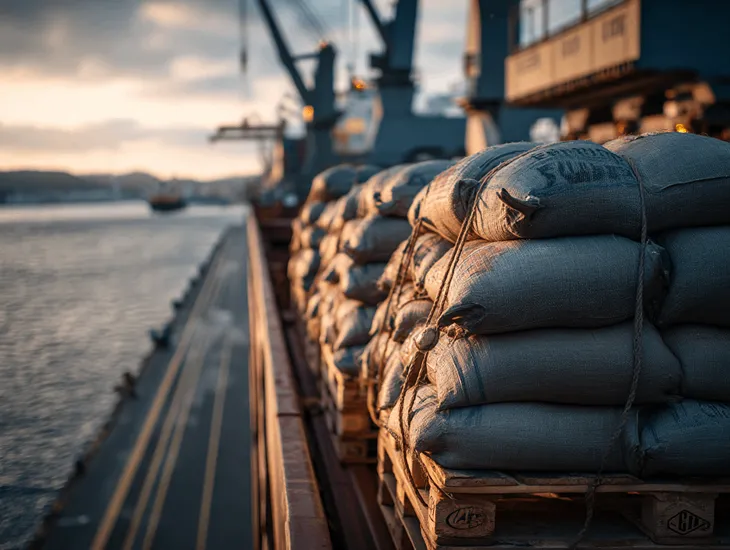
Foreign investors entering the marine sector face intense regulatory hurdles. The sudden reinstatement of extraction policies has created a highly volatile compliance landscape for corporate taxpayers aiming for growth.

Navigating new trade regulations is incredibly confusing without expert guidance. Sudden shifts in government decrees leave companies exposed to severe financial penalties and massive operational delays globally.

Relying on outdated legal frameworks guarantees devastating customs rejections. Environmental groups and government auditors actively target non-compliant marine projects with massive administrative fines daily across the archipelago.

Misunderstanding valuation benchmarks leads to immediate tax disputes. A single licensing error can trigger multi-agency investigations that permanently ruin your corporate reputation and freeze valuable physical assets instantly.

Partnering with professional tax advisors resolves these regulatory nightmares entirely. We map out precise compliance strategies aligned with official Ministry of Finance regulations efficiently for foreign directors.

Expert oversight protects your marine investments from sudden policy reversals. You can safely navigate the complex Sea-Sand Export Duty in Indonesia with our dedicated support team today.

The History of Marine Extraction Bans

For decades, the government prohibited marine sediment extraction to protect coastal ecosystems. Large-scale dredging previously caused severe environmental degradation across various archipelagic regions.

Authorities explicitly banned shipments to neighboring nations to preserve national borders. This protective stance aimed to stop significant damage to local fishing territories and coral reefs.

In 2023, new government regulations formally reversed this long-standing prohibition. The state introduced policies allowing the commercialization of marine sediment after meeting specific domestic requirements.

This reopening aimed to monetize natural sedimentation and generate substantial national revenue. Specifically, government planners required massive material volumes for domestic infrastructure projects, including the new capital city.

The government subsequently approved surplus materials for international trade under strict oversight. However, this sudden policy shift created immediate compliance challenges for new corporate entrants.

Domestic infrastructure demands initially drove the government to seek alternative material sources. Reclaiming land for new coastal developments requires unprecedented quantities of stable marine sediment annually.

This immense domestic demand created a secondary opportunity for international trade. Authorities believed exporting surplus materials could significantly boost the national economic recovery strategy.

Indonesia Marine Policy 2026 – Legal export requirements, PT PMA compliance, and customs rules for WNAs
In 2025, the Supreme Court dramatically altered this newly reopened landscape. Justices annulled key provisions of the recent marine sediment regulations due to severe environmental conflicts.

This landmark ruling cited direct contradictions with established maritime protection laws. The court recognized the severe ecological risks associated with unregulated dredging operations.

Consequently, the legal framework governing these exports is currently under intense revision. Authorities must realign implementing regulations with the strict parameters set by the court.

This judicial intervention creates a highly volatile environment for corporate investors. Previous licenses and operational guidelines face sudden revocation or mandatory legal restructuring.

Businesses must remain highly vigilant regarding updated trade ministry directives. Relying on annulled provisions exposes companies to immediate legal prosecution and severe financial penalties.

Environmental activists celebrated this judicial intervention as a critical victory for marine preservation. They argued that unchecked dredging threatened the livelihoods of thousands of traditional coastal workers.

Corporate stakeholders now face an extended period of legislative uncertainty. Waiting for the revised regulatory framework paralyzes new investments and halts ongoing operational expansions completely.

The trade ministry established strict benchmark prices for international shipments. These financial references aim to maximize state revenue and prevent severe market underpricing.

Domestic benchmark prices differ significantly from designated international trade values. Authorities use these figures to calculate potential corporate income tax and associated trade levies.

Regulators treat this material as a heavily controlled trade commodity. Exporters must anticipate potential value-added tax implications alongside their standard corporate tax obligations.

The specific percentage for these marine export tariffs remains subject to ongoing customs revisions. Exact tariff codes require careful verification against the latest national finance regulations.

Investors must budget for fluctuating compliance costs in this volatile sector. Miscalculating these benchmark obligations guarantees massive audits and severe customs penalties at the border.

Regulatory agencies coordinate closely to monitor all financial transactions related to marine exports. This inter-agency cooperation ensures companies cannot hide profits through complicated offshore corporate structures.

Proper financial planning requires anticipating these sudden regulatory shifts proactively. Securing professional advice prevents costly valuation errors from disrupting your international supply chain operations.

Securing operational rights involves a complex multi-agency approval process. Companies must first obtain specific dredging permits from the ministry of marine affairs.

The trade ministry subsequently issues formal approvals for international shipments. These dual licensing paths require flawless corporate documentation and perfect legal standing.

Regulators strictly define which specific sediment types qualify for foreign markets. Attempting to ship prohibited materials results in immediate cargo seizure and criminal charges.

Dozens of companies applied for these lucrative dredging concessions recently. However, the government evaluates these applications under highly scrutinized new environmental paradigms.

Customs documentation must perfectly match your approved trade licenses. Any discrepancy between your cargo and paperwork triggers automatic investigations by port authorities.

Processing these applications requires immense patience and meticulous attention to detail. Bureaucratic delays often frustrate foreign investors accustomed to faster administrative timelines in other jurisdictions.

Maintaining open communication with local regulatory bodies helps streamline this complex process. Proactive engagement demonstrates your commitment to operating transparently within the national legal framework.

Jack, an Australian marine infrastructure consultant managing a project in Uluwatu, struggled with shifting regulations. His firm planned a massive coastal development project locally.

He incorrectly assumed his initial dredging permits automatically covered international shipments. Furthermore, recent court annulments instantly invalidated his primary operational licenses, creating a severe administrative nightmare.

Port authorities rejected his export documentation entirely. This left expensive equipment sitting completely idle and exposed his firm to devastating financial losses.

He faced massive financial penalties and potential environmental lawsuits simultaneously. That is exactly when he used our Tax Services to audit his entire corporate structure.

Our experts restructured his compliance pathway and secured updated legal permits. Jack now operates his marine logistics safely without fearing sudden government audits.

His story serves as a stark warning to other foreign investors. Assuming regulatory stability in the marine sector often leads to catastrophic financial consequences.

Properly structuring your business entity from the beginning mitigates these severe risks. Expert guidance ensures you remain compliant even when the underlying laws change unexpectedly.

Export Compliance Indonesia 2026 – Tax reporting protocols, corporate audits, and duty payments for WNAsMarine export operations trigger complex corporate income tax reporting requirements. Companies must declare their net profits transparently through the centralized digital tax portal.

Value-added tax applies to various domestic services associated with your project. Exporters must maintain flawless invoicing records to satisfy stringent national accounting standards.

Authorities closely monitor declared export values against official benchmark prices. Declaring figures below these benchmarks signals potential transfer pricing violations immediately.

Under-invoicing cargo volumes constitutes a severe federal offense. Regulators utilize advanced tracking systems to verify physical shipments against submitted digital paperwork.

Inaccurate reporting guarantees aggressive cross-agency financial investigations. Properly aligning your environmental permits with your financial disclosures prevents these devastating regulatory audits completely.

Utilizing certified accounting software helps maintain flawless financial records automatically. Digital integrations simplify the complex reconciliation process required by the national revenue service.

Transparency remains your best defense against aggressive regulatory audits. Demonstrating clear compliance with all valuation guidelines protects your business from unnecessary administrative harassment.

The government promotes these exports to generate vital foreign exchange earnings. Officials view monetized sedimentation as a critical funding source for national infrastructure.

However, environmental groups warn of devastating impacts on local fishing communities. Studies indicate massive potential income losses for traditional coastal residents.

Dredging operations risk accelerating severe coastal erosion across the archipelago. Damage to fragile coral reefs directly contradicts national maritime sustainability commitments.

This tension creates significant reputational risks for foreign investors. Social audits and community backlash can permanently derail lucrative marine extraction projects.

Investors must balance profit margins with stringent corporate social governance. Ignoring these community impacts invites targeted regulatory scrutiny and immediate operational shutdowns.

Sustainable business practices are no longer optional for modern marine enterprises. Integrating ecological protections into your operational strategy secures long-term viability and community support.

Forward-thinking companies actively consult with local stakeholders before initiating dredging activities. Building trust with coastal communities prevents costly legal battles and secures your social license to operate.

These projects sit at the dangerous intersection of trade and environmental law. Minor misalignments trigger multi-agency enforcement actions and severe financial penalties.

Professional tax consultants map out your entire compliance journey from day one. This expert oversight protects your marine investments from sudden policy reversals.

Our proactive strategy prevents capital from being stranded in a highly volatile sector. We keep your corporate records completely clean as government policies evolve.

Our team monitors ongoing regulatory revisions closely. We analyze how new supreme court decisions impact your specific operational tax profile.

Outsourcing your compliance removes the stress of navigating complex bureaucratic systems. We handle your reporting obligations while you focus on core business operations.

We conduct thorough risk assessments before you commit any capital to marine projects. Our detailed analysis highlights potential compliance traps hidden within government decrees.

Calculating these precise export tariffs guarantees accurate financial reporting. We ensure your operations remain fully compliant and highly profitable long-term.

The legal framework is in flux following recent court rulings, requiring careful license verification.

Operators face corporate income tax, value-added tax, and specific trade levies based on volume.

Yes, you need approvals from both marine affairs and the trade ministry before operating.

Authorities use official benchmark prices to cross-check your declared customs paperwork and tax filings.

Misreporting triggers severe customs penalties, immediate cargo seizure, and potential criminal prosecution.

Yes, stringent environmental reviews are required to secure and maintain your primary dredging licenses.

Need help with Sea-Sand Export Duty in Indonesia, Chat with our team on WhatsApp now!

Gita

Gita is graduate from Udayana University and a dedicated blog writer passionate about crafting meaningful, insightful content with focus on topics related to work, productivity, and professional growth.