
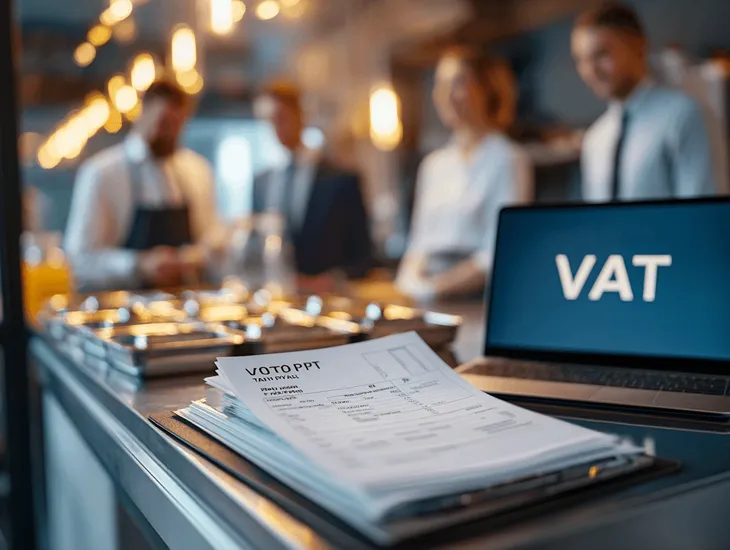
PT PMA catering VAT in Bali 2026 – taxable services, input credits, faktur pajak compliance
December 20, 2025

Navigating VAT Rules for PT PMA Catering Businesses in Bali

Running a PT PMA catering business in Bali sounds exciting, but the reality of handling VAT compliance can quickly become confusing 🌿. Many foreign investors assume that food services are exempt from VAT, only to find themselves facing unexpected tax invoices and audit queries later 💼. These misunderstandings often stem from not knowing which catering activities qualify as taxable supplies under Indonesia’s VAT Law.

Fortunately, the Directorate General of Taxes provides clear guidelines on how Value Added Tax applies to food and beverage services operated by PT PMA companies 🌏. Catering businesses that serve events, weddings, or villas may need to charge VAT on total sales, while those selling through restaurants or take-away outlets fall under different reporting codes. By aligning your accounting practices with current VAT rules from the Ministry of Finance, you can stay compliant and avoid penalties that may hurt your reputation and growth potential 📊.

One catering entrepreneur in Canggu shared how partnering with a local consultant helped her claim legitimate input VAT credits, reducing monthly costs and improving cash flow ✨. Her experience shows that VAT management isn’t only about compliance—it’s also about efficiency and smart reinvestment. If you’re managing a PT PMA catering venture in Bali, now is the time to review your VAT obligations with the Investment Coordinating Board (BKPM) to ensure your business remains both profitable and transparent.

Understanding PT PMA VAT Compliance in Bali 🌿

Running a PT PMA catering business in Bali may sound glamorous, but understanding PT PMA VAT compliance is essential to keep your company legal and profitable. Many foreign investors assume small food services are automatically tax-free, but in Indonesia, even catering activities can fall under taxable supplies. 🌴

In simple terms, Value Added Tax (VAT) applies to the added value at each stage of production or service. For catering, that means VAT can apply to meals, beverages, and even delivery services. Whether you serve weddings, villas, or corporate events, you’ll likely need to issue proper tax invoices (faktur pajak). 💼

PT PMA owners must register for VAT if their annual turnover exceeds the government threshold. Once registered, they must charge 12% VAT on taxable transactions and report it monthly. This ensures smooth compliance and builds trust with both clients and authorities. 🌏

Understanding the basics early helps avoid messy audits and sudden fines. Learning how Indonesia’s VAT system works is your first step toward building a catering business that’s not only creative but also compliant. ✨

Bali catering VAT rules 2026 – taxable services, input VAT credits, and PT PMA penalty preventionNot all catering services are treated equally under Indonesian VAT law. Some activities, like preparing food for private events, may require VAT collection, while others—such as nonprofit or government-funded programs—might qualify for exemption. 🍱

For PT PMA owners, the key lies in understanding what qualifies as taxable services. If your catering business serves villas, weddings, or corporate gatherings, these count as commercial transactions, meaning VAT must be added to invoices. 🌿 On the other hand, small-scale community meals or charity kitchens may not be required to collect VAT.

The Catering business tax Bali regulations also classify take-away or restaurant operations differently from event-based services. That’s why keeping detailed records of each type of sale helps your accountant apply the right VAT code.

If you provide both dine-in and delivery catering, separate your invoices by category. This makes your monthly VAT filing accurate and audit-proof. In short, knowing which activities are taxable saves you time, money, and unnecessary legal stress. 📄

PT PMA VAT rules for catering differ slightly from other industries. Most restaurant or café sales automatically include VAT on each bill, while event catering often bills clients separately with VAT shown on the final invoice. 🌿

Catering services are considered “supply of goods and services,” so your company must calculate VAT based on total package value—food, drinks, staff service, and logistics. 💼 Even if you hire local vendors for ingredients, the VAT charged by suppliers becomes your input VAT, which you can credit later.

For compliance, keep all invoices, receipts, and tax numbers neatly organized. PT PMAs must submit both output VAT (tax you charge customers) and input VAT (tax you pay suppliers) through monthly e-Faktur reports. 🍽️

To simplify the process, many businesses use accounting software that automatically records taxable transactions. Proper VAT reporting not only prevents penalties but also improves your company’s credibility with both clients and tax authorities. 📊

One of the biggest benefits of PT PMA VAT compliance is the ability to claim input VAT credits. This means you can deduct the VAT you’ve paid on supplies—like ingredients, kitchen tools, or rental equipment—from the VAT you collect from customers. 🌿

For example, if your catering company in Bali spends IDR 10 million on groceries and pays 12% VAT, that IDR 1.2 million becomes a credit toward your VAT obligations. Over time, this significantly lowers monthly expenses and improves cash flow.

However, many new PT PMA owners forget to collect or keep valid tax invoices from their vendors. Without these documents, claiming VAT credits becomes impossible. 📄

A smart approach is to maintain digital copies of every purchase receipt and organize them monthly. Not only does this simplify audits, but it also gives you a clear overview of spending patterns. Efficient VAT management helps your catering business remain competitive, scalable, and compliant—key ingredients for success in Bali’s growing hospitality industry. ✨

Ignoring Catering business tax Bali obligations can cost you more than you think. Many entrepreneurs get fined for late reporting, incorrect invoices, or missing VAT numbers on receipts. 🚫

The Directorate General of Taxes often audits hospitality businesses, especially those handling high-value events. If your PT PMA catering business doesn’t align with tax rules, you might face administrative penalties or temporary business suspension.

To stay compliant, always submit VAT returns before the 15th of the following month. 🌏 Use e-Billing and e-Faktur systems correctly and ensure all tax invoices match real sales. Keeping accurate records is your best protection during inspections.

It’s also smart to conduct internal tax reviews every few months. A quick review by your accountant can catch small errors before they grow into costly problems. Being proactive not only avoids fines but also builds your reputation as a responsible business owner in Bali’s competitive catering scene. 💼

PT PMA VAT rules for catering in Indonesia 2026 – e-Invoice updates, input VAT credits, audit complianceThe Ministry of Finance updates Indonesia’s VAT policies regularly, meaning PT PMA VAT rules can change from year to year. Staying updated helps catering companies adjust pricing and reporting correctly. 🌿

Recent updates include new e-Invoice formats and stricter requirements for digital reporting. Catering firms that fail to adopt these standards risk missing legitimate credits or being flagged during audits. 📊

By aligning your bookkeeping with official regulations, you can show transparency and gain customer confidence. Many corporate clients in Bali now require suppliers to issue valid tax invoices before making payments.

It’s also important to follow sector-specific codes defined for food and beverage services. The better you align with current laws, the smoother your operations will run. Consider consulting professionals who specialize in PT PMA VAT compliance to interpret new decrees accurately. It’s a small investment that protects your business in the long run. ✨

Meet Elena, an entrepreneur from Spain who runs a PT PMA catering company in Canggu, Bali. Her business started small—serving private villa dinners—but grew fast after partnering with local resorts. That’s when she realized managing PT PMA VAT compliance wasn’t optional.

At first, she struggled. Suppliers often gave handwritten receipts without tax IDs, and she didn’t know how to record them properly. 💼 Late filings triggered warning letters. Then she met Arya, a local tax consultant who explained Indonesia’s VAT framework step by step.

Together, they reviewed every transaction, separating event catering from restaurant sales. Arya helped Elena apply for legitimate input VAT credits on her imported kitchen tools and food supplies. Within three months, her cash flow improved dramatically. 🌿

By the next fiscal year, Elena’s company had a flawless VAT record and even passed a random audit by the Directorate General of Taxes. She reinvested the savings to train her staff and expand her kitchen. Her story shows that understanding PT PMA VAT rules isn’t just about paying taxes—it’s about building a smarter, stronger business grounded in compliance and trust. 📊

Running a catering business means juggling menus, clients, and schedules—but when it comes to taxes, expert help makes all the difference. 💼 Partnering with local accountants or tax consultants experienced in PT PMA VAT compliance ensures your books stay clean and accurate.

These professionals understand the nuances of Catering business tax Bali, from determining taxable events to reconciling VAT reports. 🌿 They can also assist in setting up systems that automatically generate valid invoices, reducing manual errors and saving you time.

When choosing a consultant, look for those registered with Indonesia’s tax authorities. A trusted partner can represent your PT PMA during audits and communicate effectively with officials if issues arise.

Ultimately, hiring an expert isn’t just about outsourcing tasks—it’s about peace of mind. Knowing your VAT filings, input credits, and compliance reports are handled professionally lets you focus on what truly matters: creating unforgettable dining experiences for your clients in Bali. ✨

Most commercial catering services are taxable, but exceptions apply for nonprofit or government projects.

The current VAT rate is 12% for taxable supplies under Indonesia’s VAT Law.

Yes, as long as your vendors provide valid tax invoices (faktur pajak).

VAT returns must be submitted monthly through the e-Faktur system.

You may face penalties, interest charges, or temporary suspension of your tax registration.

Need help with PT PMA VAT compliance for your Bali catering business? Chat with us on WhatsApp! ✨

Gita

Gita is graduate from Udayana University and a dedicated blog writer passionate about crafting meaningful, insightful content with focus on topics related to work, productivity, and professional growth.