
KPP Assignment Rules in Indonesia: Provisions for Taxpayers Under PER-17/2025

Managing corporate tax obligations often overwhelms foreign investors. Misunderstanding official registration requirements creates immense administrative liabilities. Your business requires strict regulatory clarity to survive.
The government continuously tightens its oversight of operational entities. Authorities actively reassign growing enterprises to specialized administrative offices. This shifting landscape routinely confuses internal financial departments.
Failing to align your registration triggers intense regulatory scrutiny. Incorrectly filing under a local office invites severe financial penalties. These structural mismatches directly jeopardize your operational stability.
The authorities recently introduced directives to streamline corporate supervision. This statutory shift reorganizes where specific enterprises officially register. Understanding these KPP Assignment Rules in Indonesia prevents costly compliance failures.
Leaders must proactively adapt to these evolving administrative frameworks. You can review official tax regulations detailing these mandatory structural provisions. Maintaining perfect alignment protects your valuable corporate assets.
Our expert consultants navigate complex registration transfers for foreign companies. We coordinate seamlessly with national authorities to protect your enterprise. Secure your operational success with our specialized corporate compliance services today.
Table of Contents
- Core Objectives of PER-17/PJ/2025
- Determining Factors for Taxpayer Assignment
- Categories of Specialized Tax Offices in Indonesia
- Practical Implications for Foreign Entities
- Real Story: Securing Tax Compliance in Canggu
- VAT Reporting and Centralized Registration
- Navigating Potential Reassignment Notices
- Professional Support for Registration Updates
- FAQs about KPP Assignment Rules in Indonesia
Core Objectives of PER-17/PJ/2025
The Directorate General of Taxes released a pivotal regulation restructuring domestic corporate administration. This decree revokes outdated guidelines to harmonize the registration process. It represents a significant procedural modernization.
Understanding these KPP Assignment Rules in Indonesia is essential for maintaining perfect corporate standing. The policy dictates exactly which tax office supervises your specific enterprise. It eliminates jurisdictional confusion for growing companies.
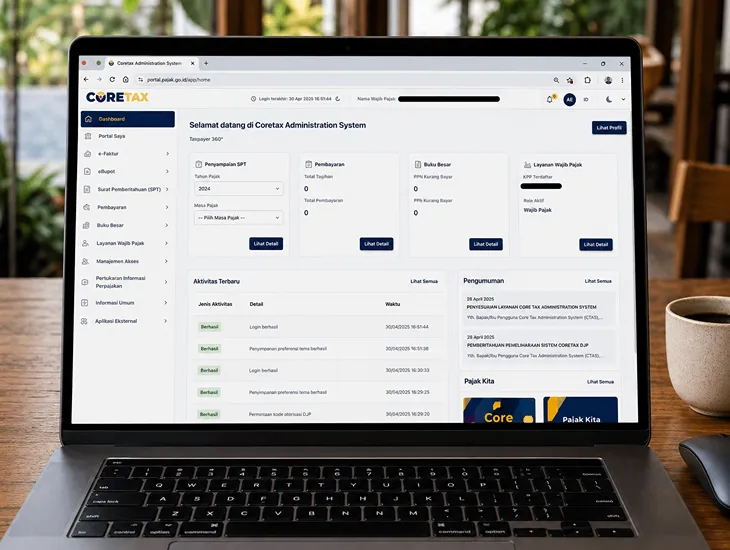
The primary objective involves aligning taxpayer data with the newly launched Coretax system. This national database requires centralized and accurately categorized corporate profiles. Flawless synchronization ensures optimal administrative efficiency.
Authorities utilize this framework to group taxpayers with similar financial scales together. Specialized offices handle specific industries to improve sector regulatory oversight. This targeted approach streamlines government auditing processes.
This regulation does not alter your fundamental statutory tax rates or fiscal obligations. It exclusively determines where your enterprise legally registers its activities. Maintaining correct registration protects your operational continuity.
The government evaluates multiple internal metrics before assigning an enterprise to a specialized office. Total business revenue and gross income dictate your official classification. High earners face distinct administrative pathways.
Officials also scrutinize your total asset value and overall corporate liabilities closely. Substantial equity growth often triggers an automatic reassignment to a higher-tier office. Rapid expansion requires immediate administrative adjustments.
Your specific business classification and operational sector influence your designated jurisdiction significantly. Mining, finance, and specialized trade entities automatically fall under distinct supervisory umbrellas. Accurate sector reporting is mandatory.
Nationality and the residency status of beneficial owners alter your registration requirements. Entities owned by foreign nationals face entirely different regulatory channels. International structures cannot simply choose a convenient local office.
The Director General reserves the explicit right to reassign entities based on strategic considerations. Authorities continuously monitor corporate profiles to enforce strict organizational alignment. You must constantly anticipate routine governmental assessments.

The national system categorizes supervisory branches into three distinct hierarchical levels. Large Tax Offices manage massive corporate entities and certain prominent individuals exclusively. These branches handle the most complex fiscal reviews.
Four separate Large Tax Offices divide responsibilities based strictly on core business sectors. State-owned enterprises and massive mining conglomerates report to these specific jurisdictions. These entities require strict, ongoing administrative transparency.
The Jakarta Special Tax Offices focus on unique corporate categories and foreign investments. These specialized branches handle all unlisted foreign investment companies directly. They enforce rigorous international compliance standards.
Specific offices within Jakarta strictly govern oil, gas, and major listed corporations. Publicly traded companies must submit their complex filings to these distinct regulatory centers. Accuracy here prevents severe institutional penalties.
Intermediate offices manage medium-sized enterprises located outside the massive metropolitan classifications. These regional centers provide intensive supervision for rapidly expanding local corporations. They provide essential support between basic and advanced oversight levels.
Establishing a foreign-owned enterprise introduces unique administrative complexities under these updated guidelines. A standard local office will not process your corporate compliance filings. You must register at the designated specialized center.
Foreign individuals lacking domestic subject status fall under the Foreign Individuals and Corporate office. This specific Jakarta branch handles all international family office structures. Local branches strictly reject these specialized registrations.
A foreign entity operating exclusively in Denpasar cannot simply utilize the nearest branch. The central system mandates registration at a specialized Jakarta office regardless of physical location. This geographical separation demands meticulous coordination.
Attempting to register a foreign structure at a standard local branch triggers immediate rejections. The authorities will flag your application for incorrect jurisdictional filing. This procedural error delays your operational launch significantly.
International investors must incorporate these strict registration pathways into their initial business plans. Failing to identify the correct supervisory office creates massive structural vulnerabilities. Precision during establishment protects your financial investments.
Meet Henrik, a 42-year-old hospitality developer from Switzerland. He arrived in Canggu to establish an innovative luxury wellness resort. He hired a local team to operate his new property.
Henrik structured his resort as a foreign investment company to attract international capital. His internal team initially registered the corporate entity at a local administrative branch. They assumed proximity determined regulatory jurisdiction.
However, the central authorities rejected his essential value-added tax confirmation. The local branch lacked the statutory authority to process foreign corporate registrations. Henrik faced a severe operational delay immediately.
He utilized our expert corporate advisory services to resolve this critical structural error. Our team identified that his enterprise legally belonged to a specialized Jakarta office. We initiated the transfer protocols instantly.
We successfully re-registered his company at the correct specialized branch within days. Henrik secured his essential operational permits without further frustrating delays. Professional guidance secured his luxury resort against bureaucratic delays.
Your designated supervisory office dictates where you must confirm your taxable enterprise status. Value-added tax reporting remains inextricably linked to your primary corporate registration. These crucial functions operate centrally.
Exceeding the statutory revenue threshold mandates immediate registration as a taxable enterprise. You must submit all subsequent transaction reports directly to your assigned branch. Centralized reporting prevents scattered administrative records.
Voluntary registration for value-added capabilities requires approval from your specific supervising office. Your assigned regulators will scrutinize your operational capacity before granting this status. Compliance here ensures uninterrupted daily commercial activities.
Growing enterprises often face complex audits concerning their value-added tax submissions. The branch holding your primary registration conducts all official financial investigations. This focused oversight demands absolute bookkeeping consistency.
Fragmented group structures must consolidate their reporting to align with the KPP Assignment Rules in Indonesia. The newly integrated national database flags conflicting regional submissions instantly. Streamlining your reporting minimizes the risk of severe governmental audits.

Companies experiencing explosive revenue growth must anticipate sudden reassignment directives from the government. Officials constantly monitor corporate health to trigger necessary jurisdictional transfers. You will receive a formal decree mandating this shift.
The regional office must issue a formal notification exactly one month before the transfer. This narrow window requires rapid internal administrative adjustments by your finance team. Delayed responses trigger immediate compliance failures.
The newly assigned office will generate your updated registration documents within one working day. You must retrieve your revised documentation promptly to maintain operational legitimacy. Ignoring this transition halts your corporate activities immediately.
Transitioning between offices requires closing out all pending obligations at your previous branch. You cannot simply abandon unresolved audits or outstanding financial liabilities. Clean administrative transitions protect your future corporate standing.
If you believe your enterprise meets the criteria for a specialized branch, you can request a transfer. Proactive voluntary registration demonstrates a strong commitment to national compliance. It builds significant governmental trust.
Navigating jurisdictional changes requires sophisticated technical expertise and profound regulatory knowledge. Our dedicated consultants map your corporate structure against the latest statutory criteria meticulously. We ensure complete accuracy for your organizational compliance.
We assist growing enterprises in preparing the necessary documentation for complex administrative transfers. Our team coordinates directly with both the releasing and receiving offices simultaneously. This dual engagement ensures perfectly seamless transitions.
Aligning your internal ledgers with the new national database is our primary operational focus. We verify that your registration details match central records flawlessly. This synchronization prevents devastating algorithmic audit triggers.
For international groups, we integrate jurisdictional assignments into your broader corporate governance strategy. Your headquarters will understand exactly which branch supervises your local entities. This clarity empowers strategic international financial planning.
We protect your enterprise from hidden risks by mastering these specialized tax office assignment provisions. Our comprehensive oversight allows your management team to focus strictly on commercial growth. Secure your corporate foundation today.
Revenue, total assets, beneficial ownership, and specific sector classifications dictate assignments.
No, all non-listed foreign investment companies must register at Special Tax Offices in Jakarta.
No, this regulation only dictates your administrative registration location, not your tax rates.
The newly assigned office issues your updated registration documents within one working day.
Yes, entities meeting the criteria can proactively request a transfer to the correct branch.
They must register exclusively at the Foreign Individuals and Corporate Tax Office in Jakarta.
Need help with KPP Assignment Rules in Indonesia, Chat with our team on WhatsApp now!
jmacompany@gmail.com
This author has not yet provided a bio.