
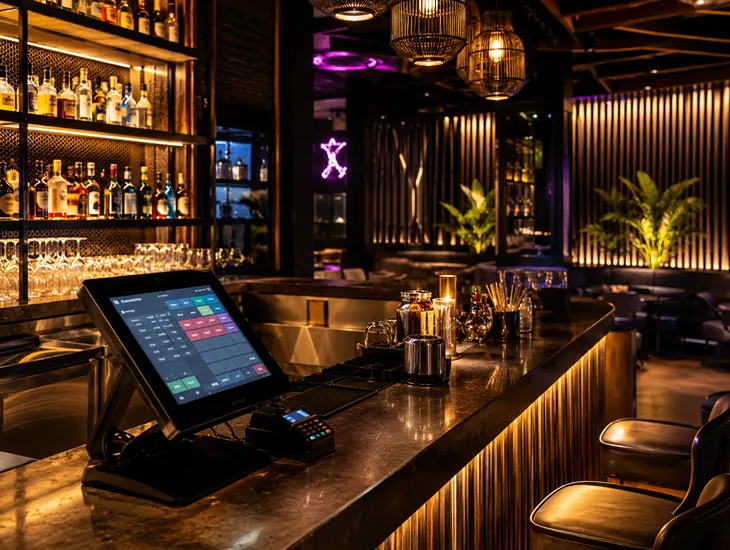
Entertainment Tax Increase in Indonesia 2026 – Local consumption tax overhauls, high-bracket regional levies, and business entity compliance in Bali
May 25, 2026

Entertainment Tax Increase in Indonesia: 7 Regencies Set Rates at 75%

Foreign hospitality investors face sudden regulatory changes across multiple regional jurisdictions. Implementing fresh corporate frameworks becomes problematic without localized legal insights.

New fiscal updates allow municipal governments to adjust specific service tariffs dramatically. Many venues operate using outdated financial assumptions.

Failing to track these structural shifts risks your entire business operation. The local authority enforces strict tax collections that trigger immediate financial penalties.

Unresolved ledger discrepancies disrupt your operational cash flow instantly. Your enterprise cannot maintain compliance when facing automated database audits.

Fortunately, utilizing the official government tax portal helps operators align their billing systems. Reconfiguring your point-of-sale platforms prevents legal conflicts.

Our advisory team simplifies the Entertainment Tax Increase in Indonesia for your brand. We protect your hospitality capital securely.

The Legal Origin of Regional Fiscal Overhauls

The central government enacted fresh legislation to regulate financial relations between central and regional authorities. This framework updates how municipal branches manage localized service fees.

Law No. 1 of 2022 establishes a unified category for specific consumer transactions. This tax applies to hospitality deliverables, accommodation options, and recreational services across the country.

Regional administrations now hold the legal power to adjust local revenue tariffs independently. This statutory shift replaces older legacy frameworks with standardized collection guidelines.

Municipalities were required to adopt these updated tax protocols within a strict two-year window. Consequently, fresh regional regulations became operational across multiple provinces recently.

This strategic legal transition alters how hospitality ventures evaluate their long-term project viability. Investors must monitor central legislative updates to insulate their corporate funds.

Understanding these macro-level structural adjustments prevents unexpected budget deficits during peak seasons. Compliance readiness remains the foundation of sustainable business growth in Indonesia.

Hospitality Taxation Indonesia 2026 – Regional regulation frameworks, local service tax adjustments, and corporate compliance for WNAs
The modern legal framework introduces a specific tariff bracket for premium leisure services. Regional governments can set local collection rates between forty percent and seventy-five percent.

This mandatory minimum tariff forces a steep increase in multiple municipal zones. Previously, local authorities could maintain lower baseline levies without enforcing strict federal floors.

Several regencies have already implemented the maximum statutory rate of seventy-five percent. These drastic adjustments impact standard operating budgets for international entertainment venues heavily.

Major urban centers like Jakarta have established their base collection rate at forty percent. This shift represents a substantial increase from historical municipal tax levels.

Foreign hospitality groups must track these fluctuating provincial rates when drafting feasibility models. Your operational costs vary significantly depending on the exact regional regulation active.

Reviewing localized tax decrees before committing to long-term commercial leases remains mandatory. Strategic geographic positioning can insulate your venture from extreme tax exposures.

The new regional tariff brackets pressure the financial structures of modern hospitality ventures. Nightclubs, karaoke lounges, and specialized wellness spas face substantial consumer pricing adjustments.

Operators must embed these high local tariffs directly into their consumer pricing models. Higher terminal costs can influence guest attendance metrics across highly competitive tourist destinations.

Entertainment ventures must manage these heavy regional collection duties alongside standard state obligations. Corporate entities still owe national income tax on their annual net operational profits.

Stacking local consumer duties with national corporate obligations squeezes narrow business margins. Creative companies require advanced financial bookkeeping to maintain stable capital allocations throughout the year.

Our advisory firm evaluates your business model to navigate these multi-tiered fiscal pressures. We build robust accounting frameworks that protect your commercial revenue from sudden local shocks.

Implementing efficient data processing applications streamlines your compliance reporting tasks automatically. We ensure your corporate accounting pipelines stay protected against aggressive automated auditing algorithms.

The high statutory brackets apply strictly to a narrow list of specialized entertainment categories. Qualifying services include discotheques, dance bars, nightclubs, karaoke rooms, and steam baths.

General hospitality activities face different municipal collection guidelines. Standard food and beverage operations remain safely capped at a maximum of ten percent under current state codes.

Hotel accommodation fees and standard parking services also escape the heavy premium brackets. Corporate venues must separate their diverse income streams into distinct accounting journals carefully.

Blending distinct service revenues into a single unorganized ledger creates massive audit risks. Regional revenue officers inspect transactional breakdowns to ensure correct tariff applications across your business.

We configure your point-of-sale systems to isolate premium deliverables from standard dining receipts. This clean separation protects your standard commercial operations from over-taxation risks.

Meticulous classification of your daily business transactions satisfies local inspection standards cleanly. Our accounting specialists insulate your diverse commercial lines from unnecessary fiscal liabilities.

When Mikhail, a lounge owner from Russia, first arrived in Pererenan, he managed a high-end wellness facility. He faced an immediate account suspension due to unorganized invoicing data.

He repeatedly attempted to reconcile his digital ledger mismatches manually. These unverified custom entries triggered automated system alerts from the regional tax collection branch.

The revenue office flagged his venue for under-reporting premium service receipts. This operational delay threatened his scheduled brand expansion and disrupted his corporate capital allocations.

Resolving this documentation backlog required a complete reconstruction of his investment history. Our accounting team categorized his foreign equipment receipts and aligned his value-added declarations.

We submitted a clean verification ledger directly to the central tax database within twenty-four hours. Mikhail restored his corporate portal functionality and launched his sustainable project under full regulatory compliance.

Today, his business operates efficiently across multiple regencies without experiencing system-wide administrative blocks. He relies on our ongoing consulting support to manage his monthly compliance routines securely.

Corporate Revenue Protection Indonesia 2026 – Fiscal incentive programs, government tax relief, and hospitality audits in BaliCentral authorities recognize the immediate operational pressure these high regional tariffs place on tourism. Government departments are preparing fiscal incentive programs to support affected hospitality providers.

The Ministry of Finance announced potential corporate income tax reductions for specific entertainment sectors. This state-borne relief mechanism aims to offset heavy regional service tax burdens.

Ministerial directives clarify that regional governors hold the authority to grant localized fiscal relief. Circular letters confirm that strict mandatory minimums can be adjusted under specific economic conditions.

Local business associations are actively lobbying regional treasuries for temporary implementation postponements. Tourism operators argue that sudden fiscal adjustments can slow post-pandemic employment growth.

Our consulting firm monitors these developing government relief programs continuously. We help your business document eligibility requirements to secure available state-borne corporate income tax reductions safely.

Modeling these potential state offsets within your financial forecasts preserves your long-term capital reserves. We guide your enterprise through the official application channels to maximize available incentives.

Misclassifying premium entertainment activities as standard restaurant operations represents a frequent compliance error. Attempting to access lower collection caps invites aggressive inspection from regional revenue officers.

If local inspectors reclassify your venue as a bar or nightclub, retroactive assessments are issued immediately. Businesses face massive back-tax liabilities that can compromise corporate continuity.

Under-reporting cover charges or entrance ticket revenue represents another high-risk practice. Regional tax authorities respond by deploying integrated electronic tracking tools across municipal commercial systems.

Ignoring regional venue levies while managing premium hospitality accounts accumulates large hidden liabilities. Our comprehensive health checks uncover these administrative blind spots early. We prevent small errors from compounding.

Failing to update your accounting lines when moving across separate regencies generates severe arrears. Every municipal zone operates under unique local decrees that require constant bookkeeping vigilance.

Reviewing historical transaction files ensures your enterprise avoids these expensive misclassification pitfalls entirely. Our team performs comprehensive health checks to uncover hidden liabilities before they disrupt your business.

Establishing a secure commercial footprint requires registering as a local taxpayer with the relevant regional revenue branch. Corporate entities must synchronize their billing setups with local directives.

Operators must configure their transaction software to calculate and itemize regional consumer duties perfectly. Transparent receipts protect your brand from non-compliance flags during automated database checks.

Periodic local tax returns must be filed within strict regional deadlines every month. Maintaining absolute reporting consistency preserves your corporate reputation and protects your active business licenses.

These regional consumer levies function completely separate from national value-added tax systems. Where operators hold specific corporate registrations, standard value-added taxes still apply to select packages.

Our comprehensive consulting service manages your monthly accounting workflows, payroll streams, and local filings. Partnering with our expert team ensures your hospitality enterprise satisfies all state criteria.

Do not wait for an official warning letter to align your transaction databases. Contact us today to organize a complete compliance review for your business venture.

Discos, karaoke rooms, bars, nightclubs, and spas face these specific regional brackets.

No, standard food and beverage services remain capped at a maximum of ten percent.

Yes, venues must pay corporate tax on profits on top of collecting local service fees.

Yes, local governments can grant relief if regional economic conditions require reductions.

Authorities issue retroactive assessments and heavy back-tax fines upon discovery during audits.

Need help with the Entertainment Tax Increase in Indonesia, Chat with our team on WhatsApp now!

jmacompany@gmail.com

This author has not yet provided a bio.