

Indonesia double taxation relief 2026 – DTAA benefits, CoD filing, withholding tax savings
December 22, 2025

Avoiding Double Taxation: A Practical Guide for Foreign Investors

For many foreign investors expanding into Indonesia, one of the most confusing challenges is double taxation 🌏. It happens when the same income is taxed both in the investor’s home country and in Indonesia—significantly reducing net profits 💼. Without understanding how tax treaties work or how to claim relief under existing agreements, businesses may end up paying more than necessary, hurting their long-term financial planning.

The Directorate General of Taxes has signed Double Taxation Avoidance Agreements (DTAAs) with over 70 countries to prevent this exact issue 🌿. These treaties define which nation has the right to tax certain types of income, such as dividends, royalties, or capital gains. The Ministry of Finance also provides detailed guidelines on how foreign taxpayers can submit a Certificate of Domicile (CoD) to qualify for treaty benefits 📊. This process ensures that legitimate investors can avoid double taxation while staying compliant with Indonesian law.

A Singapore-based PT PMA shareholder recently shared how filing the proper CoD through his accountant reduced his withholding tax on dividends from 20% to just 10% ✨. His experience proves that taking proactive steps to apply tax treaty provisions is more than just compliance—it’s a smart strategy for optimizing global income. If you’re investing or planning to operate in Indonesia, now is the best time to review your tax structure and claim available treaty benefits through professional guidance.

Understanding Double Taxation in Indonesia for Investors 🌏

Double taxation happens when your income is taxed twice — once in your home country and again in Indonesia 💼. This situation often affects foreign investors who earn profits through their PT PMA or business branches in Indonesia. Without proper planning, you might end up losing part of your income to overlapping tax systems.

Indonesia created agreements called Double Taxation Avoidance Agreements (DTAAs) to solve this issue 📊. These are official deals between two countries that define where and how income should be taxed. The goal is simple: make sure one country doesn’t charge tax on income that has already been taxed elsewhere. Understanding these rules helps you protect your earnings and stay fully compliant while investing in Indonesia 🌿.

Indonesia DTA 2026 – double tax relief, withholding tax reductions, and CoD requirements for investorsThink of DTA treaties as safety shields 🛡️. They help foreign investors avoid paying double on income like dividends, royalties, or capital gains. For example, if your home country has a DTA with Indonesia, you can often pay lower withholding tax rates — meaning more profit stays in your pocket.

These agreements also promote transparency between tax authorities ✉️. The Directorate General of Taxes and your home country’s tax office share information to ensure fair taxation. Knowing the details of your treaty can save your business from unnecessary costs and legal headaches. Always check whether your country has an active DTA with Indonesia before you invest 🌍.
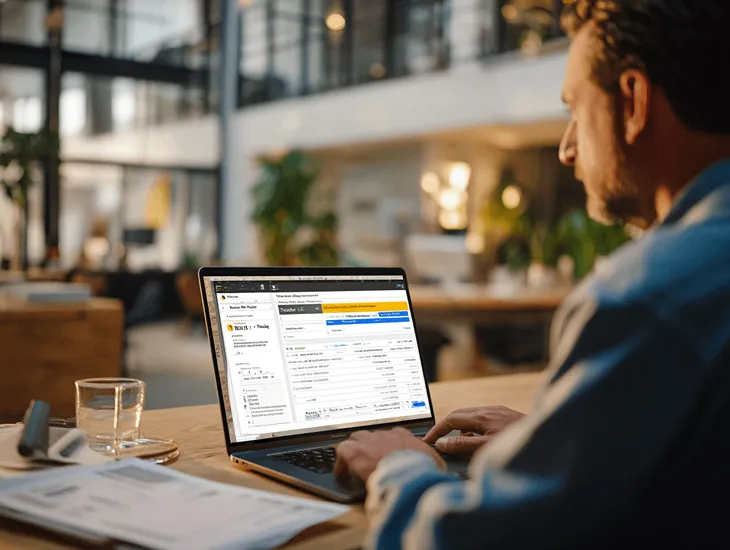
The main advantage of Indonesia’s DTA network is reducing or eliminating extra tax on cross-border income 💸. These treaties usually lower rates on dividends (from 20% to 10%), interest, or royalties — a major help for international investors.

Another key benefit is legal certainty. DTAs give you clear guidelines on which country has the right to tax specific income types ⚖️. This helps avoid confusion and keeps your financial planning stable. For companies registered under a PT PMA, these treaties are essential for long-term business growth and better cash flow management 📈. Understanding how DTA benefits apply ensures your global earnings remain secure and efficiently taxed.

To access treaty benefits, you’ll need a Certificate of Domicile (CoD) — proof that your company or yourself is a tax resident in your home country 🧾. Here’s how to do it:

1️⃣ Obtain the CoD from your home country’s tax authority.
2️⃣ Have it stamped or certified before submission.
3️⃣ Submit the document to your Indonesian tax office (KPP).
4️⃣ Wait for approval — once accepted, you can enjoy lower withholding tax rates.

Make sure your CoD is valid for the tax year and follows Indonesia’s Directorate General of Taxes format 📂. Many investors forget to renew their CoD yearly, losing their DTA benefits temporarily. Submitting accurate and timely documents ensures smooth relief from double taxation ✨.

Many investors miss out on tax savings simply because of avoidable errors 😅. A common mistake is submitting a CoD that’s outdated or unsigned. Another issue is using the wrong income category — for instance, marking dividends as royalties. These small mistakes can lead to rejection of your tax relief claim.

Some investors also ignore language or formatting requirements set by the Ministry of Finance 📜. Always double-check official instructions before applying. Working with an accountant familiar with DTA Indonesia procedures can save you stress and money. Remember: one missing signature or incorrect attachment could cost thousands in unnecessary taxes 💰.

Double taxation agreement Indonesia 2026 – withholding tax cuts, CoD submission, PT PMA payoutsUnder standard Indonesian tax law, foreign investors face a 20% withholding tax on certain payments like dividends or royalties 💼. However, under a DTA, that rate can drop to 10%, 15%, or even 0%, depending on the agreement. For example, countries like Singapore, Japan, and the Netherlands enjoy lower rates due to long-standing DTA ties with Indonesia 🌏.

Understanding these percentages is key to smarter tax planning. Companies with PT PMA setups can use the DTA benefits to maximize profits while staying compliant. If your country doesn’t have a DTA with Indonesia, you may still apply for other relief mechanisms under domestic laws 📑. The bottom line: always know which treaty applies before distributing income abroad.

Staying compliant means more than just paying taxes — it’s about doing it correctly ✅. The Directorate General of Taxes (DGT) provides clear guidance for foreign entities using DTA benefits. They recommend investors to maintain proper documentation like invoices, contracts, and CoDs for every cross-border transaction.

Regularly review updates from the Ministry of Finance website 📘. Regulations can change, especially regarding tax reporting and document verification. Submitting digital copies via the DGT online system makes the process faster and safer. Good compliance not only avoids penalties but also builds credibility with Indonesian authorities 🌿.

Meet Daniel Lim, a 42-year-old entrepreneur from Singapore who co-owns a PT PMA in Bali. When his company began earning profits from a local café franchise, Daniel noticed a 20% tax withheld from every dividend. His accountant in Singapore advised him to file a Certificate of Domicile to use the Indonesia–Singapore Double Taxation Agreement.

After submitting the CoD through the Directorate General of Taxes, Daniel’s withholding tax dropped from 20% to just 10% 🎯. He saved over IDR 120 million in one year. The process required patience — getting documents certified, translated, and approved — but the reward was worth it 💡.

Daniel now updates his CoD annually and encourages other foreign investors to do the same. His experience shows that understanding treaty rules is not just compliance — it’s financial wisdom. By acting early, Daniel turned complex regulations into a real opportunity 🌏.

It’s when the same income is taxed in both Indonesia and your home country.

Use DTA agreements and submit a valid Certificate of Domicile for tax relief.

No, but Indonesia has treaties with over 70 countries — check your country’s status.

You’ll lose your DTA benefits and might pay full withholding tax rates again.

It’s recommended, especially for investors unfamiliar with Indonesian tax rules.

Need help with double taxation or DTA filing in Indonesia? Chat with our experts on WhatsApp! ✨

Gita

Gita is graduate from Udayana University and a dedicated blog writer passionate about crafting meaningful, insightful content with focus on topics related to work, productivity, and professional growth.