


Arriving in Bali with extra luggage is exciting until you worry about avoiding customs inspection in Bali for imports. A few wrong choices in what you pack or how you declare can turn a smooth landing into a stressful interview with an officer.
Indonesia’s rules for passenger-carried goods are now tighter and more detailed than a few years ago. The framework is set by the Ministry of Finance and implemented by the Directorate General of Customs and Excise, including at Ngurah Rai Airport in Bali.
Recent updates to regulations on goods carried by passengers and crews refined definitions of personal use, clarified value thresholds, and strengthened reporting duties. That means officers in Bali have clearer authority to question luggage that looks commercial or high risk, even if you think it is “just for you”.
At the same time, Indonesia is moving most arrival formalities into a single digital entry system. By 2026, the All Indonesia platform and the electronic customs declaration are central tools in avoiding customs inspection in Bali for imports, especially for frequent travelers and remote workers.
Yet many Bali-bound visitors still rely on hearsay from forums or old blogs. They assume small online purchases will be ignored, or that splitting goods between friends will dodge tax. These assumptions are exactly what leads to delays, assessment of duty and VAT, or even seizure when customs decides your luggage looks commercial.
This guide explains how to read the rules, plan your packing, and use official tools like the Ministry of Finance and airport guidance so your goods move through smoothly. If you follow the steps here, you will be far better prepared when officers at Ngurah Rai International Airport scan your bags in 2026.
Table of Contents
- Why avoiding customs inspection in Bali for imports matters
- Planning for avoiding customs inspection in Bali for imports
- Declaring goods to avoid customs inspection in Bali imports
- Duty free limits before customs inspection in Bali for imports
- Real Story — avoiding customs inspection in Bali for imports
- Managing high value items through customs inspection in Bali
- Handling commercial samples in customs inspection in Bali
- Checklist for avoiding customs inspection in Bali for imports
- FAQ’s About avoiding customs inspection in Bali for imports
Why avoiding customs inspection in Bali for imports matters
Starting with avoiding customs inspection in Bali for imports keeps you focused on risk, not just allowances. In 2026, officers at Ngurah Rai used x-ray, profiling, and declarations to decide whether to open your bags or send you through.
Most travelers are not smuggling; they are just unaware of values, quantity limits, or how “commercial” their luggage looks. When declarations do not match what scanners show, the officer has an immediate reason to pull you aside and ask for invoices or app orders.
Understanding this mindset changes how you plan your imports. Instead of hoping nobody notices, you pack, document, and declare in a way that shows your intent is transparent and compliant, reducing the chance of detailed inspection or dispute.
 Effective planning for avoiding customs inspection in Bali for imports starts before you click “buy now”. Decide if your goods are clearly personal use, or if they could look like stock, samples, or inventory for your Bali business.
If the goods are obviously for your villa, home office, or personal hobbies, keep quantities realistic and values within reasonable thresholds. Group related items and keep purchase records handy so you can explain what each item is and why you brought it.
For goods that might look commercial, consider using a proper cargo or courier channel where import duties and documents are processed formally. This can be cheaper and safer overall than trying to compress a small “shipment” into passenger luggage.
When your goal is avoiding customs inspection in Bali for imports, accurate declaration is your first line of defense. In 2026, travelers are encouraged or required to complete their customs declaration digitally before arrival.
Use the All Indonesia or e-CD flow to list goods that may exceed typical allowances or are not clearly personal. Declare categories honestly, state realistic values, and keep invoices ready in your email or phone in case an officer asks for proof.
If you are unsure whether something must be declared, it is safer to declare and let customs apply the rules than to hide it. Officers are more lenient when passengers are transparent and cooperative than when risk indicators suggest under-reporting.
To support avoiding customs inspection in Bali for imports, you must understand how duty free and taxable values are assessed. Indonesia sets a duty free ceiling for personal goods and specific quantity limits for items like tobacco and alcohol.
In practice, officers compare your declaration and receipts with the overall picture of your luggage. One extra pair of shoes rarely triggers tax if total value is modest, but many identical units of the same item can be treated as imports, even if you claim they are gifts.
When your goods exceed duty free thresholds, be prepared to pay import duty, VAT, and possibly income-type taxes at the cashier in the arrivals area. Budgeting for this avoids frustration and makes the process a short, predictable step, not a nasty surprise.
In 2026, Laura, a graphic designer relocating to Canggu, focused on avoiding customs inspection in Bali for imports but misjudged her packing. She arrived with three monitors, two new laptops, and unopened accessories bought during a sale.
Her digital declaration only mentioned “electronics for personal use”, with no quantities or values. The scanner image and the number of identical boxes immediately triggered a closer look, and customs asked her to open and explain each item.
Because she had receipts and could show which devices were for work, customs treated part as personal and part as taxable. She paid import duty and VAT on several items but avoided penalties. The experience taught her to separate clear personal gear from anything that looks like stock.
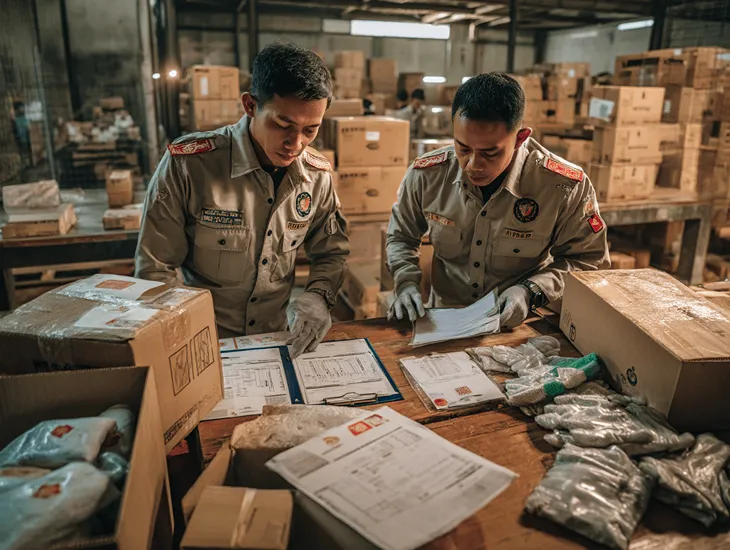 High value goods are a core risk area in avoiding customs inspection in Bali for imports. Luxury bags, watches, cameras, and designer clothing invite questions when they are new, boxed, or carried in multiples.
If you travel with expensive items already in use, remove tags, use them naturally, and keep evidence of prior purchase where possible. For brand new pieces purchased just before travel, keep receipts accessible and be ready to show them if asked.
Avoid carrying several identical high value goods in original packaging in passenger bags. If you genuinely need to move such items to Bali, consider formal import channels that match the commercial nature and scale of the goods.
For entrepreneurs testing markets, avoiding customs inspection in Bali for imports is harder when items look like commercial samples. Boxes of identical products, label-ready cosmetics, or packaged food items are obvious examples.
Declare these as samples and bring documentation from your company or supplier that explains the purpose and approximate value. This does not always remove tax, but it shows consistency between what you carry and what you say.
When quantities increase beyond “samples”, switch to cargo or courier imports with proper licensing and permits. This is especially important for regulated items like cosmetics, food, or electronics that may require approvals beyond customs alone.
Before you travel, list what you are bringing and classify each item by use. Keep avoiding customs inspection in Bali for imports in mind as you decide whether to pack, ship, or courier borderline goods.
Complete your digital arrival and customs declaration accurately, ideally within a few days of departure. Save a copy of the QR or confirmation and keep invoices in a dedicated folder on your phone or cloud storage for quick reference at the airport.
On arrival at Ngurah Rai, follow channel instructions honestly. If you know your goods are above thresholds or look commercial, be ready for questions. Calm, consistent answers, supported by documents, shorten inspections and build trust with customs officers.
No. Officers rely on declarations, scanners, and risk profiles. If your declaration matches what they see and values are reasonable, your bags often pass without being opened.
It is critical for avoiding customs inspection in Bali for imports. An honest, detailed declaration reduces suspicions and gives officers a clear narrative about what you carry and why.
Splitting goods to stay under thresholds can backfire if bags still look commercial. Officers may assess the situation as one import, not several unrelated passengers, especially with identical items.
They may reclassify them as imports, calculate duty, VAT, and other taxes, and ask for payment before release. In serious cases, they can seize goods or start an investigation.
Often yes. Formal cargo or courier imports match the nature of high value or bulk goods. That route may involve more paperwork but reduces personal risk at passenger customs.
The core rules come from national regulations, so they are similar. However, practical enforcement at Ngurah Rai reflects local passenger flows, tourism patterns, and current risk priorities.
Need help planning imports so Bali customs runs smoothly? Chat with our team on WhatsApp now.

Gita
Gita is graduate from Udayana University and a dedicated blog writer passionate about crafting meaningful, insightful content with focus on topics related to work, productivity, and professional growth.
