
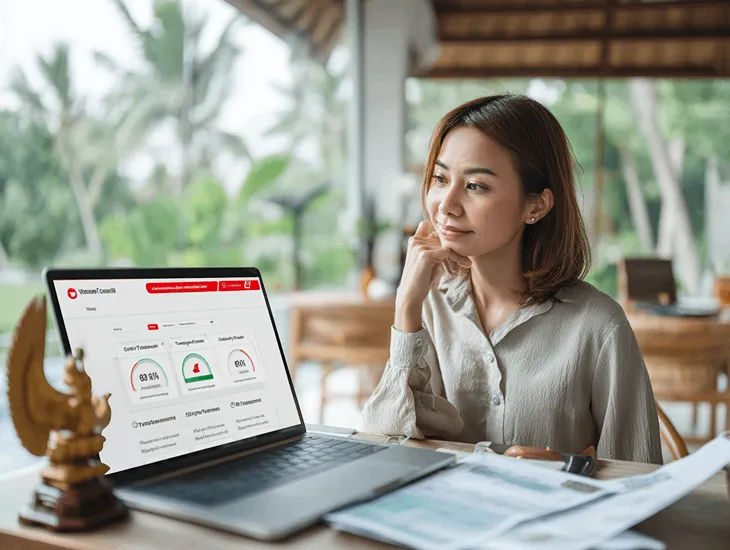
Legal Tax Planning Indonesia 2025 – PT PMA compliance strategy, anti–tax evasion rules, and Ministry-aligned reporting in Bali
November 18, 2025

Avoid Legal Risks in Bali: Know the Line Between Tax Planning and Evasion

Running a PT PMA in Bali can be exciting and rewarding, but when it comes to taxes, the line between smart tax planning and illegal tax evasion can get blurry 🌴. Many foreign business owners are unaware that what seems like a clever deduction strategy could be viewed differently by the Directorate General of Taxes, leading to costly penalties or audits.

Understanding these boundaries early helps protect your company’s reputation and keeps your operations compliant 📊. The Indonesian government, through institutions such as the Ministry of Finance and the Fiscal Policy Agency, continues to tighten regulations around reporting accuracy and cross-border transactions to ensure fair taxation for both local and foreign investors.

Many expat founders in Bali assume that minimizing taxes is simply part of good business strategy 😅. However, tax avoidance and tax evasion are not the same — and confusing them can bring unwanted attention from tax authorities. Fortunately, legal tax planning provides legitimate ways to reduce obligations through proper documentation, incentives, and transparency with your accounting team.

Professionals at the Bali Business Consulting have seen how proactive compliance transforms businesses: accurate filings, better audit readiness, and improved investor confidence 💼. As Bali continues to attract foreign entrepreneurs, aligning your company’s tax strategy with national policy is more crucial than ever to maintain both profitability and integrity.

By the end of this guide, you’ll discover how to draw a clear line between legitimate tax planning in Bali and unlawful tax evasion, so your PT PMA stays safe, ethical, and fully compliant ✨.

What Is Legal Tax Planning in Bali and Why It Matters 💼

Legal tax planning in Bali means organizing your financial activities to reduce your tax burden without breaking any laws. Many PT PMA owners think tax planning is just about saving money, but it’s actually about being smart and strategic 🧩. This involves using available deductions, exemptions, and credits while following Indonesia’s tax rules.

When done correctly, tax planning can improve your business cash flow and strengthen your company’s credibility with the government. It also helps you avoid unexpected tax audits or penalties later 😅. By keeping your reports transparent, you not only comply with regulations but also build a strong financial reputation — something investors value in Bali’s competitive market.

So, rather than seeing taxes as a burden, treat tax planning as a roadmap for sustainable success in Indonesia’s growing economy 🌴.

Tax avoidance and evasion Indonesia – PT PMA compliance risks, DGT reporting rules, and ethical tax strategy guidance in Bali
Tax avoidance in Bali
sits in a gray area — it’s technically legal but risky if abused. Some businesses use aggressive tactics, like shifting profits to low-tax zones or overclaiming deductions, to reduce their obligations 💸. While these may seem clever, they can easily attract scrutiny from the authorities if they look unnatural or manipulative.

The danger comes when these actions cross the line of legality. If the Directorate General of Taxes views your methods as deceitful, they can reclassify your avoidance as tax evasion, resulting in hefty fines or even prosecution. The key difference lies in intent: planning uses lawful means; avoidance exploits loopholes ⚠️.

Stay safe by consulting professionals who understand Indonesian tax compliance and can guide you through ethical financial strategies.

Tax evasion in Bali is a serious offense. It means deliberately hiding income, falsifying records, or avoiding payments through deceitful acts 🚨. For PT PMA owners, this could mean not reporting foreign transfers or manipulating invoices — both can lead to audits and potential criminal charges.

Under Indonesian law, tax evasion carries penalties that can reach up to 200% of the unpaid tax plus possible imprisonment. The government is increasingly using digital tools to track suspicious activity and cross-check data across agencies 🔍.

The smartest move? Maintain transparency. Paying taxes honestly protects your business license, reputation, and ability to operate smoothly in Bali’s regulatory environment. Remember: ethical reporting equals long-term peace of mind 🌞.

The Directorate General of Taxes (DGT) defines compliance as timely, accurate, and transparent reporting. Businesses must submit monthly and annual tax returns on time, including income tax, VAT, and withholding taxes 📅. Non-compliance — even due to neglect — can result in penalties or legal warnings.

To simplify the process, the DGT offers digital systems like DJP Online for submitting reports and verifying taxpayer status. These tools help ensure consistency and reduce errors 💻.

For PT PMA companies in Bali, proper tax documentation demonstrates respect for Indonesian law and contributes to national development. It’s not just about paying taxes; it’s about being a responsible part of the business community 🌏.

Foreign entrepreneurs often make simple but costly mistakes when filing taxes in Bali. One common issue is mixing personal and business expenses — a red flag for auditors 🚩. Another is misunderstanding withholding tax (PPh 26) rules for foreign-sourced income.

Some also delay filing reports, assuming late submissions won’t matter, only to face automatic penalties later. Inaccurate bookkeeping or unverified invoices can also trigger compliance checks.

To stay safe, PT PMA owners should work with certified accountants familiar with Indonesian regulations 📘. Remember, even honest mistakes can be costly — accuracy and consistency are your best allies in tax filing in Bali.

PT PMA ethical tax Indonesia – transparent accounting, voluntary correction, and compliance with Directorate General of Taxes for sustainable business integrity
To maintain ethical tax practices, start with transparency. Keep every transaction recorded — from salaries to supplier payments — and separate your personal and business accounts 🗂️.

Next, invest in professional accounting software or hire a local tax consultant who understands PT PMA compliance. This ensures your filings meet current standards and adapt to policy updates. Regular internal audits are also a great habit — they help catch mistakes early before tax authorities do 👀.

Most importantly, align your strategy with Indonesia’s economic regulations. Ethical reporting not only protects your company but also strengthens trust with clients and partners across Bali 🌺.

Meet Daniel Müller, a German entrepreneur who founded an eco-lodge business in Ubud. His PT PMA was thriving, but an audit from the Directorate General of Taxes revealed missing transaction records from overseas clients 🌏. Daniel panicked, thinking he would face a massive fine.

Instead of hiding the issue, he worked with a local accountant to reconcile all digital invoices and report the discrepancies voluntarily. This proactive step impressed the auditors — the DGT reduced his penalty significantly. His story spread among the expat community as a case of transparency paying off 💡.

What made the difference was Daniel’s attitude. He didn’t see the tax office as an enemy but as a partner ensuring fairness in Bali’s growing investment scene. His approach shows that honesty and readiness are worth more than risky shortcuts. If you face similar challenges, follow Daniel’s lead — act fast, stay open, and prioritize ethical tax planning 🌿.

Experts agree that transparent tax planning in Bali creates long-term benefits for PT PMA owners. Transparency helps avoid audits, builds credibility with financial institutions, and ensures smoother business expansion 🏦.

Adopting a “compliance-first” mindset also attracts foreign investors who value stability. Regularly reviewing your tax strategy with licensed consultants ensures you meet Indonesia’s evolving standards.

As Bali continues to modernize its economy, the focus is on collaboration — not confrontation — between businesses and tax authorities. Embracing clear and honest practices isn’t just the right thing to do; it’s also the most profitable in the long run 🌞.

Tax planning is legal optimization, while evasion involves hiding or falsifying data.

Not always, but if it manipulates data or intent, it may be treated as evasion.

Use deductions, incentives, and expense claims allowed by law.

You may face administrative fines or delayed processing of future submissions.

Yes, local experts know Indonesia’s specific tax rules and can help ensure compliance.

Need help with tax planning or PT PMA compliance in Bali? Chat with our experts on WhatsApp! ✨

Gita

Gita is graduate from Udayana University and a dedicated blog writer passionate about crafting meaningful, insightful content with focus on topics related to work, productivity, and professional growth.