

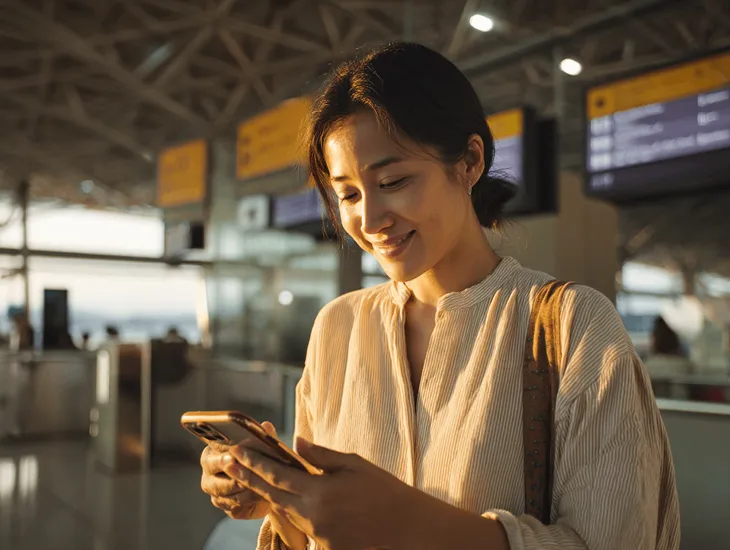
5 Things Foreigners Must Know About iPhone 16 IMEI and Tax in Indonesia
Many foreigners in Bali are excited to buy the new iPhone 16, but few realize their expensive device may be permanently blocked in Indonesia if its IMEI isn’t registered properly 📱. Even if you already run a PT PMA, importing a phone without reporting it to customs and paying the right mobile tax can suddenly turn your device into a useless brick. This problem happens more than you think — and it can delay everything from payments to banking apps 💸.
You don’t want to buy the latest tech only to see the signal vanish after 30 days, especially with new digital monitoring from the Directorate General of Taxes and import tracking by the Directorate General of Customs and Excise. These systems are now integrated with national IMEI databases, making it impossible to “hide” imported gadgets under personal luggage anymore 🔍.
The good news is, you can still legally bring your new phone from overseas with a simple online declaration through mobile tax forms managed by the Ministry of Finance. Many PT PMA owners in Bali have done it successfully, keeping WhatsApp Business, QRIS apps, and digital banking tools running smoothly ✅. One foreign café owner shared that after two minutes of IMEI registration and payment at the airport, her iPhone 15 Pro worked perfectly and never got blocked — even after SIM card changes.
If you plan ahead and follow proper steps before flying in, your iPhone 16 won’t face the same risk. Start by checking your purchase receipt and preparing your passport and IMEI number before you land. This saves you from surprise fees, midnight panic reboots, or having to buy a second phone in Bali just to run payroll apps. Take action before you arrive — and you’ll stay fully connected, compliant, and stress-free 📶.
Table of Contents
- New iPhone 16 IMEI Rules for Foreigners Entering Indonesia 📱
- How to Prevent IMEI Block When Bringing Phones from Abroad 🚫
- Mobile Import Tax Rates and iPhone 16 Cost for PT PMA Owners 💸
- Step-by-Step Guide to Registering IMEI at the Airport in Bali 🛬
- Why Unregistered Phones Can’t Use Local SIM or Banking Apps 📶
- Tax-Free Phone Limits and Required Documents for Foreigners 📄
- When the Directorate General of Taxes Flags Your IMEI Report 📊
- Real Story: How One PT PMA Owner Saved Their iPhone 16 Signal 🌟
- FAQs About iPhone 16 IMEI, Tax, and PT PMA Compliance in Bali ❓
New iPhone 16 IMEI Rules for Foreigners Entering Indonesia 📱
Indonesia’s IMEI system exists to block illegal phones and collect tax on imported devices. If you’re flying to Bali with the new iPhone 16, you’ll have just 60 days to register the IMEI so the phone can connect to Indonesian networks. This applies whether you’re a tourist, business owner, or PT PMA director 🧳.
Unregistered phones may work temporarily on roaming, but once you switch to an Indonesian SIM card, they’ll be blocked by the national database 🔒. The system checks the IMEI of every imported phone, and if it’s not registered, the connection is cut off across every carrier.
For business users with a PT PMA, this can mean losing access to WhatsApp Business, email, delivery tracking apps, and even e-banking tools. It’s not just an inconvenience — it can disrupt your business operations in Bali completely. The rule is clear: register or risk losing service 📡.
The only way to prevent an IMEI block is to officially register the phone through the country’s mobile device system. If you bring one phone for personal use, and it’s within the allowed value, you can register and avoid extra tax. But for high-end devices like the iPhone 16 Pro Max, expect an import tax unless it’s declared properly at entry 💼.
Always declare the phone at customs when you arrive. If you skip this step and try to register later through the app, it might not work — especially if customs notices the IMEI was scanned at the airport but not declared. The government wants transparency, not last-minute fixes.
Some people try to avoid tax by using roaming instead of a local SIM, but this stops working once the phone tries to connect directly to Indonesian towers. Roaming is not a loophole — it just delays the block. Don’t risk it 😬.

If you bring in a brand-new iPhone 16 worth IDR 20–25 million, expect to pay about 30% in combined taxes when passing through customs. This includes import duty, VAT (11%), and income tax for items above the duty-free allowance 📊.
For PT PMA owners, it’s important to note that buying the phone under a company name does not exempt you from import tax if it’s brought personally in luggage. The tax rules apply based on how the device enters the country, not who owns the company.
However, business users can expense the cost later as part of company operations, especially if the device is used for managing clients, payments, or internal communication 🧾. Always keep your IMEI registration receipt and customs paperwork for accounting.
When you land at Bali’s Ngurah Rai International Airport, go to the customs area and find the Mobile Device Registration counter. Scan the QR code, fill out the form, and provide your passport, boarding pass, and phone details like brand, model, and IMEI number 📄.
Next, customs officers will check the phone’s value and determine if you owe import tax. If yes, you’ll pay through airport billing services. Once that’s done, your IMEI will be registered in the national system in 1–3 hours. No waiting for weeks, no extra apps to download.
After leaving the airport, insert an Indonesian SIM and test the signal. If the phone connects to networks like Telkomsel or XL, your registration was successful 📶. Many travelers don’t know how fast and easy this process is — but skipping it means getting blocked later.
Any phone that’s not properly registered will not connect to Indonesian phone networks, which means no data, phone calls, or local SMS. Even if Wi-Fi works, you’ll lose access to features tied to your phone number, like WhatsApp verification, SMS banking, and OTP codes for e-wallets 🏦.
For PT PMA owners running payroll, invoicing, or customer support through mobile apps, this is a disaster waiting to happen. Your phone becomes a Wi-Fi-only device — and most essential apps need a SIM-verified number to function.
It’s not a “temporary block.” It’s permanent unless you leave the country and come back through customs to register the phone. That means extra flights, more paperwork, and money wasted. Don’t underestimate this part — register from day one 📆.
Indonesia allows you to bring in one phone per person tax-free up to a certain value. If your iPhone 16 costs more than the limit, you’ll need to pay duty. You’ll also need a passport photo, flight ticket, and the device itself for customs inspection ✈️.
Business visitors or PT PMA owners often bring dual-SIM devices to manage work and home life. That’s allowed — but only one device per person gets tax-free status. Anything extra must be declared and taxed, even if unopened.
If you’re flying with family, you can distribute devices across multiple passports to reduce tax fees. Many foreign business owners in Bali do this legally to outfit their team or new office with phones 📱.
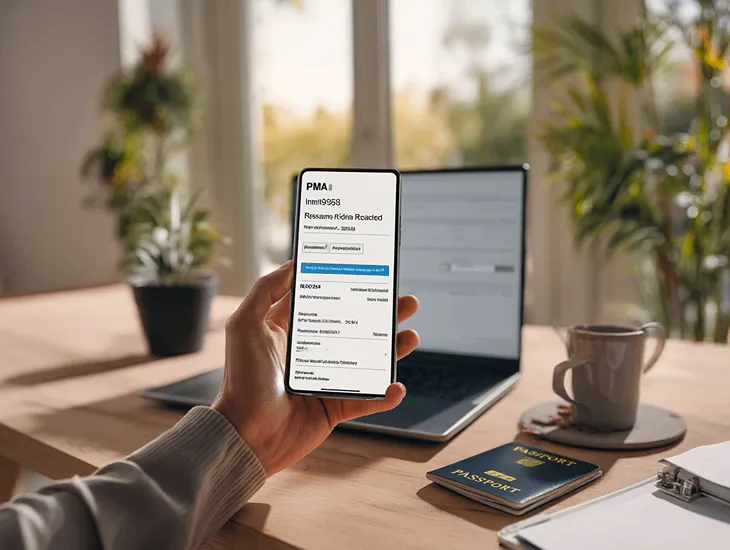 Your IMEI registration is connected to your passport and tax ID in Indonesia. If you own a PT PMA, the tax office assumes imported phones are related to business expenses — and can request proof later during audits 📁.
If you’re importing devices illegally or underreporting their value, the tax system may flag your PT PMA profile for a compliance check. This can delay business permits, bank approvals, or tax refunds deep into the year 💼.
Don’t let a simple iPhone block lead to a tax investigation. If you’re buying the device for business, report it properly, document the cost, and enter it into your accounting system. Clean process, clean profile ✅.
Meet Jason, a British PT PMA owner based in Canggu. He bought an iPhone 16 Pro Max in Singapore and flew into Bali assuming it would work like usual. For 30 days, everything was fine — WhatsApp, QRIS, payroll apps. Then suddenly, the phone stopped connecting 📵.
Jason tried different SIM cards, rebooted the phone, even changed eSIM providers. Nothing worked. The IMEI was blocked because the phone was never declared at customs. Roaming had tricked the system into delaying the block, not avoiding it.
At a coworking space, Jason met a tax consultant who explained that customs registration could still be done if he flew out and re-entered Bali. He booked a 1-day return ticket to Kuala Lumpur, filled out the IMEI form upon landing in Bali, paid IDR 5.8 million in import tax, and within 2 hours, the phone signal came back 📡.
Lesson learned: PT PMA owners rely on phones for staff scheduling, payments, and client calls. Don’t ignore IMEI rules. Jason now tells every new expat entrepreneur to declare their tech — or pay the price later 😅.
Yes, but only if it's within 60 days and you didn’t miss customs scanning.
Local SIM cards won’t work, and the phone becomes blocked on Indonesian networks.
No, import tax applies at customs, regardless of company ownership.
Yes, every imported device must be declared, new or used.
Yes, but most apps like WhatsApp, banking, and OTP services won’t function normally.
Need help with iPhone 16 IMEI and tax in Bali? Chat with our team now on WhatsApp! ✨

Gita
Gita is graduate from Udayana University and a dedicated blog writer passionate about crafting meaningful, insightful content with focus on topics related to work, productivity, and professional growth.
