
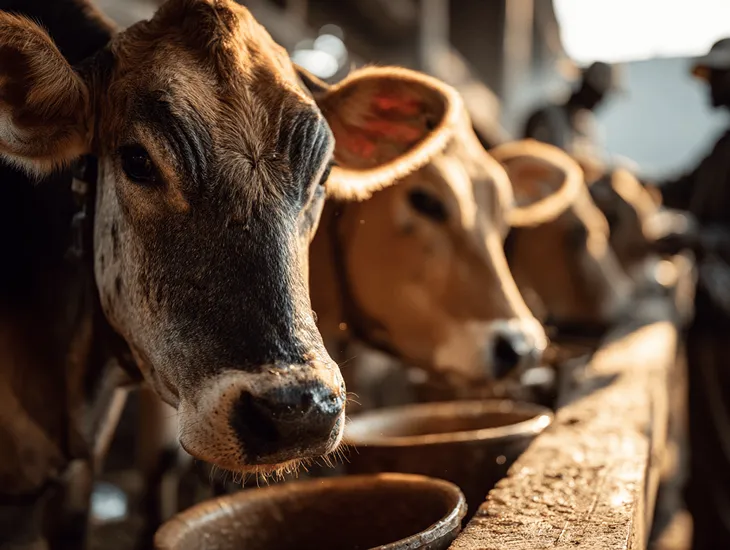
Are Sacrificial Animals Before Eid al-Adha Subject to Tax in Indonesia?

Foreign entrepreneurs managing or planning a PT PMA in Bali often wonder whether offering sacrificial animals during Eid al-Adha could be considered a taxable transaction 🌿. With Indonesia’s expanding digital tax ecosystem under the supervision of the Directorate General of Taxes, even charitable or religious activities can raise questions about fiscal responsibility. This uncertainty grows when reports mention the coordination between the Fiscal Policy Agency and other institutions to harmonize religious, economic, and administrative regulations 💼.
Yet, clarity is closer than it seems ✨. Indonesia’s tax law distinguishes between charitable religious donations and commercial livestock sales, making intent and ownership key to determining whether a transaction is taxable. According to the Ministry of Finance Indonesia, animals offered as part of ibadah qurban are generally exempt from income tax, provided the activity is non-commercial and the animals are not sold for profit ⚙️. For businesses, however, this distinction can blur when company-owned resources are involved in sponsorship or branding.
Many consultants from Bali Business Consulting explain that responsible disclosure and documentation ensure compliance while respecting faith-based traditions 🌸. Their verified experience helping PT PMA clients prepare transparent records shows that combining religious generosity with fiscal accuracy strengthens a company’s trustworthiness. So, before this year’s Eid al-Adha, reviewing your donation or sponsorship structure can help you maintain both spiritual and fiscal integrity.
Table of Contents
- Understanding Eid al-Adha Tax Rules in Indonesia 🌿
- Are Sacrificial Animals Considered a Taxable Asset? 🐑
- Eid al-Adha Donation Tax Exemption Explained ✨
- PT PMA Compliance During Religious Giving in Bali 💼
- Tax Treatment of Sacrificial Livestock for Companies ⚙️
- Religious Donation Compliance and Reporting Guide 📄
- Practical Tips for PT PMA Charity Reporting Indonesia 📋
- Real Story – How a Bali Investor Managed Qurban Tax Wisely 🌸
- FAQs About Sacrificial Animal Tax Rules in Indonesia ❓
Understanding Eid al-Adha Tax Rules in Indonesia 🌿
Every year, Muslims across Indonesia celebrate Eid al-Adha, also known as the Festival of Sacrifice. It’s a time of generosity and devotion 💚, but for many business owners and foreign investors, one big question arises — is there a tax on sacrificial animals?
Indonesia’s tax laws can be complex, especially when they involve religious activities. The government distinguishes between charitable donations and commercial transactions, which means not every exchange involving money or animals is taxable. For PT PMA owners, understanding this distinction helps ensure compliance while showing respect for local culture 🌸.
If an individual buys a cow or goat for qurban (sacrifice) without any commercial intent, the act is seen as a religious obligation, not a business expense. However, if a company sponsors or promotes a qurban event using its name for marketing, tax implications may apply ⚙️.
Learning the basics of Eid al-Adha tax in Indonesia helps you make informed decisions before contributing — both ethically and legally.

At first glance, a sacrificial cow or goat might seem like a donation, not an asset. But in taxation, definitions matter 💼. When a PT PMA owns or manages livestock, it can sometimes be viewed as part of the company’s assets.
Under Indonesian tax principles, the key is purpose. If the animals are bought and sold commercially — for example, by a livestock company or a food business — those transactions are taxable. But if the animals are given purely for religious sacrifice, no tax applies.
It’s also essential to document how these animals were purchased 🐄. Were they bought from company funds or personal income? For PT PMA owners, mixing these can create confusion during audits. Proper bookkeeping shows transparency and builds trust with local authorities.
Understanding this boundary keeps your generosity free from fiscal trouble while protecting your business credibility in Indonesia 🌿.
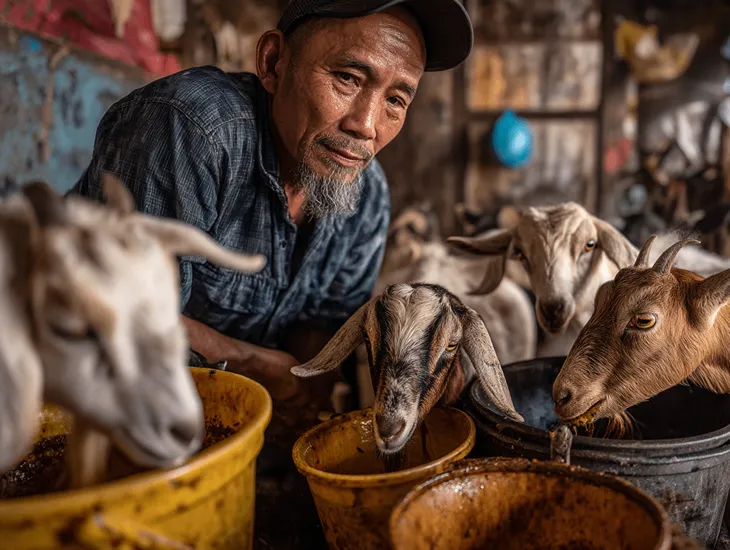
Many people assume that all donations are automatically tax-free — but it’s not that simple. In Indonesia, Eid al-Adha donations can be exempt from tax, but only under certain conditions.
The donation must be voluntary, made for religious or social purposes, and not linked to any personal or business gain 🌸. For example, donating directly to a mosque or an official religious organization usually qualifies for exemption. However, if the donation is tied to company branding or promotion, it may lose its non-taxable status.
PT PMA owners who wish to give through corporate channels should ensure documentation clearly states the charitable purpose of the donation. Doing so not only protects the company from unnecessary tax but also supports transparency.
By following these Eid al-Adha donation tax exemption guidelines, you show both fiscal discipline and community care 💚.
For foreigners running a PT PMA in Bali, blending business ethics with cultural respect is crucial 🌿. Many companies participate in Eid al-Adha events as part of their social responsibility. But even good intentions need to align with Indonesia’s compliance standards.
A PT PMA should record every donation clearly — what was given, to whom, and why. If the donation involves money from business revenue, it must appear in the company’s books 📄. Donations made from personal funds, however, don’t require corporate reporting.
Maintaining this balance shows professionalism and cultural sensitivity ✨. It also reflects the company’s credibility in the eyes of tax officers. Remember, PT PMA compliance doesn’t just protect your license; it strengthens your reputation among local communities and authorities.
If your PT PMA operates in agriculture, hospitality, or event management, understanding how sacrificial livestock is taxed can prevent costly mistakes 🐄.
The tax treatment depends on intent and financial reporting. If animals are part of your business inventory or bought for resale, they are taxable goods. However, when they are donated for religious sacrifice, the donation becomes non-deductible — meaning you can’t claim it as an expense, but it’s also not taxed.
Some companies choose to donate through third-party organizations to ensure clarity. This helps separate business finances from community initiatives 🌸. Keeping receipts and correspondence related to the donation also helps during audits.
By treating sacrificial livestock with proper documentation and awareness, PT PMA owners show accountability and compassion — two values that define successful businesses in Bali 💚.
Donations during Eid al-Adha must follow transparent reporting steps to meet Indonesia’s compliance standards 🌿. This applies especially to PT PMA entities, which must record every financial movement clearly.
Start by identifying whether the donation is corporate or personal. Corporate donations require board approval and should appear in official accounting ledgers 💼. For personal donations, it’s enough to keep receipts or letters from the mosque committee.
Next, classify donations properly — charitable expenses, CSR, or religious support. Mislabeling could trigger system reviews. Consistent reporting builds a strong compliance history and reduces tax audit risks ⚙️.
By following this guide, foreign investors can confidently contribute to local traditions while maintaining religious donation compliance and fiscal responsibility ✨.
Keeping your charity reporting simple and transparent helps your PT PMA stay trusted by both the community and the tax office 💚.
✅ Record every donation in the general ledger with clear notes about its purpose.
✅ Use separate accounts for corporate social responsibility funds to avoid confusion.
✅ Submit periodic reports if the donation exceeds thresholds set by Indonesian regulation 🌸.
✅ Avoid mixing personal donations with company accounts — this keeps your Eid al-Adha tax records clean.
When in doubt, consult a licensed local tax consultant in Bali who understands PT PMA compliance and sacrificial animals regulation. A few minutes of advice can prevent months of paperwork headaches ⚙️.
Good documentation isn’t just about law — it’s about leadership. Responsible charity shows that your company respects both the people and the system it operates in 🌿.
Meet David Müller, a German investor running a small hospitality PT PMA in Ubud, Bali. Each year, he donates several goats during Eid al-Adha to local families 🌿. But one year, he faced a problem — his accountant listed the donations as business expenses, triggering questions from the tax office.
Feeling uncertain, David reached out to a local consultant who explained the correct process 💼. They separated the donation as a personal contribution, not a corporate expense, and updated the records accordingly. Within weeks, the issue was resolved without penalties.
This real case shows how even small misunderstandings can lead to compliance issues ⚙️. Yet, it also highlights the importance of transparency and community trust. David learned that Eid al-Adha donations should be made personally when tied to faith, not business promotion.
Today, he continues donating every year — with clear receipts, photos, and sincere gratitude 🌸. His experience reminds PT PMA owners that smart generosity combines heart and discipline — a lesson worth following for all investors in Indonesia.
No, if they’re purely religious and not commercial, they’re exempt.
No, religious donations are non-deductible under Indonesian tax rules.
Only if it comes from company funds or affects financial records.
Keep receipts, letters from mosque committees, or payment slips.
Yes. If promoted publicly, it may be considered a taxable activity.
Need help with PT PMA tax and Eid al-Adha donations? Chat with our team now on WhatsApp! ✨
Karina
A Journalistic Communication graduate from the University of Indonesia, she loves turning complex tax topics into clear, engaging stories for readers.