
BPJS Health Contribution Debt Write-Off: Key Notes from the Indonesian Parliament
Company directors often completely misunderstand national social security rules. This ongoing compliance confusion creates massive administrative risks for expanding foreign commercial ventures. Proper understanding of these regulations prevents costly legal mistakes for your business.
Unpaid social contributions automatically trigger immediate financial penalties. Business owners constantly face heavy fines and retroactive financial assessments. Government auditors rigorously monitor corporate accounts to enforce strict payment adherence across all registered commercial sectors.
Mismanaging payroll exposes your enterprise to formal government investigations. Unmatched operational data blocks essential healthcare access for your entire staff. This severe administrative disruption damages critical internal employee trust and lowers overall workplace morale.
Failing to update employee status delays critical business operations. This oversight forces unnecessary administrative pauses across your entire commercial enterprise. Smooth digital processing requires the exact matching of all official employment records and financial data.
Structuring social security provides immediate corporate protection. You can review the official Indonesian tax regulations for precise mandatory compliance steps. Perfect digital alignment guarantees seamless administrative processing for your entire medical insurance framework.
Professional advisors quickly resolve these complex setup challenges. We navigate the BPJS Health Contribution Debt Write-Off rules on your behalf. Expert financial management keeps your business perfectly compliant with all updated national healthcare mandates.
Table of Contents
- Policy Background and Parliamentary Notes in in Indonesia
- Scope of the Targeted Relief Policy
- Limits on Waiver Amounts and Periods
- Budget and Fiscal Design
- Real Story: Securing Employee Healthcare in Canggu
- Existing Instalment Schemes like REHAB
- Risks and Limitations for Employers
- Payroll Compliance for Foreigners in Indonesia
- FAQs about BPJS Health Contribution Debt Write-Off
Policy Background and Parliamentary Notes in in Indonesia
The Indonesian government recognizes the massive financial burden facing low-income households. Parliament members strongly support a strategic initiative to erase long-standing social security arrears. This vital program provides immense relief for vulnerable local citizens.
Public statements confirm authorities are preparing concrete legislative steps. Officials target the formal implementation of this vital program by early 2026. This aggressive timeline requires careful strategic alignment with the upcoming national financial budget.
This fiscal decision does not represent a permanent entitlement for every citizen. Authorities view this action as a strategic method to restore institutional financial health. It successfully cleans uncollectible national receivables from the central system.
Politicians emphasize protecting the long-term sustainability of the state budget. They insist this targeted relief remains a singular event rather than a recurring amnesty. Future corporate exemptions or individual waivers remain highly unlikely.
Professional advisors constantly monitor these legislative shifts for your business. We keep your administrative operations properly aligned with current national mandates. This proactive approach prevents surprise compliance failures during formal government audits or inspections.
The government directs this BPJS Health Contribution Debt Write-Off toward vulnerable economic segments. Poor participants classified as subsidized recipients form the primary beneficiary group. Middle-income professionals and expatriate workers remain largely excluded from benefits.
Non-wage workers relying on regional healthcare subsidies also qualify for assistance. Independent participants must transition to the subsidized category to receive this specific benefit. Proper data verification controls this entire administrative review process.
Authorities cross-reference applications against the integrated national social data system. Beneficiaries must prove genuine financial hardship to erase their accumulated medical arrears. The digital system automatically rejects corporate-sponsored employees from claiming these specific waivers.
Middle-class professionals and high-income earners do not qualify for this program. Businesses cannot use this national policy to clear their outstanding corporate payroll obligations. Your commercial enterprise must maintain strict monthly payment schedules.
A dedicated tax service manages your corporate classification. We audit your existing employee data to ensure perfect national legal compliance. This proactive payroll strategy prevents future administrative rejections and protects your workforce’s healthcare coverage.
Officials place strict mathematical limits on this impending national financial relief. The government will only erase a maximum of twenty-four months of accumulated arrears. Older individual debts require alternative structural settlement strategies and careful planning.
Participants holding debts older than two years face complex financial calculations. The policy treats only the most recent twenty-four months as eligible for immediate cancellation. The remaining historical balance remains active and legally binding.
Individuals must manage their residual balances through formal restructuring programs. The national healthcare agency provides specific installment plans for these excess amounts. You cannot simply ignore the remaining historical debt on your official record.
This specific limitation prevents massive uncontrolled losses for the national healthcare institution. The strict cap ensures the targeted program remains financially viable for the state budget. It effectively balances social relief with fiscal responsibility.
We automate your corporate compliance tracking process. You simply review a clean financial dashboard while we handle the mandatory monthly calculations. We ensure your medical business never accumulates unnecessary arrears or unexpected financial penalties.
The national parliament earmarked significant funding within the upcoming state budget. Reports indicate an allocation reaching twenty trillion rupiah for this specific initiative. This massive financial investment demonstrates a strong political commitment toward healthcare.
The primary objective involves relieving low-income households without destroying institutional stability. The government aims to clean up outstanding operational receivables systematically. This action restores essential healthcare access for thousands of inactive poor participants nationwide.
The finance ministry stresses this represents a strictly time-bound financial cleanup. This targeted program does not encourage intentional non-payment behavior among active contributors. It serves only as a temporary corrective measure for struggling citizens.
Businesses cannot rely on the state budget to bail out their obligations. Corporate entities must fund their employee payroll liabilities independently. Hoping for future government amnesties constitutes a highly dangerous corporate financial strategy.
Our accounting team structures your comprehensive corporate reporting to remain fully compliant. This precise technical planning prevents surprise financial liabilities during official inspections. Your enterprise successfully avoids unnecessary fiscal penalties and secures business continuity.
When Andy, an entrepreneur from Australia, expanded his design agency in Canggu, he faced administrative chaos. Rapid expansion and demanding client deadlines kept his local team highly stressed throughout the initial launch phase.
He managed a dozen remote designers but struggled to categorize their healthcare contributions correctly. He mistakenly assumed independent contractor status exempted his agency from mandatory social security payments and regular monthly payroll tax filings.
The local healthcare agency suspended his team’s medical access without prior warning. A sudden administrative letter demanded immediate clarification and warned of severe corporate financial penalties. This sudden suspension threatened his agency’s operational stability.
Andy contacted our expert advisory firm to resolve his complex payroll issues. We audited his scattered employee contracts and previous banking records. We successfully registered his staff under proper corporate categories to restore coverage.
Now, Andy relies on an automated digital payroll system to ensure continuous compliance. We handle the precise monthly filings and generate the required authorization approvals. His business grows without the burden of administrative fear.
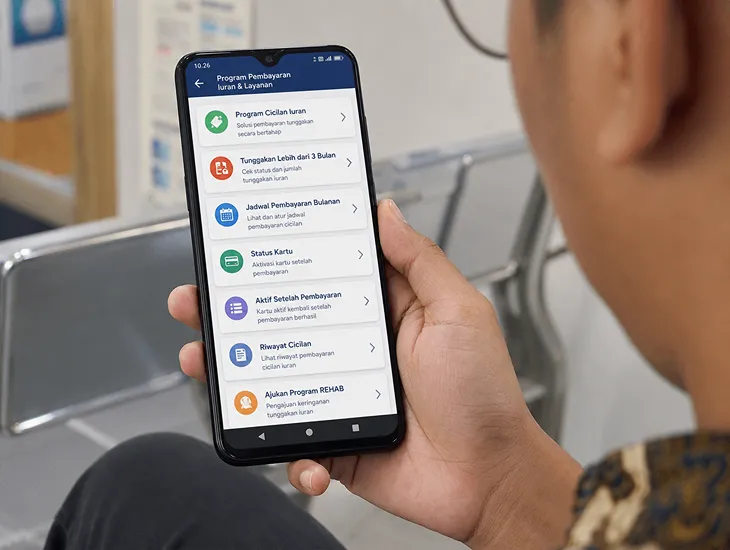
The national healthcare agency already operates a structured payment program called REHAB. This specific initiative targets independent participants holding arrears exceeding three months. It provides a manageable and legal path toward achieving full compliance.
Participants can settle their outstanding medical debts through structured monthly installments. This legal mechanism allows individuals to regain active card usage under specific controlled conditions. The official mobile application handles these technical debt settlements.
Local governments actively promote these staged payment schemes to prevent public panic. They encourage non-qualifying citizens to utilize these established restructuring tools. This strategic communication reduces the national administrative collection burden on local clinics.
This planned national healthcare debt cancellation does not replace established instalment tools. Middle-income participants must still utilize REHAB to clear their outstanding balances. The new policy remains strictly targeted toward the lowest income brackets.

Employer-paid medical contributions remain mandatory and require strict monthly adherence. The upcoming government waiver explicitly excludes corporate payroll liabilities from its targeted relief. Companies must calculate and remit their employee withholding taxes very accurately.
Accumulating corporate arrears leads to severe institutional sanctions. Employees lose vital medical access when companies fail to remit their withheld salaries. This administrative failure triggers massive internal labor disputes and ruins your corporate reputation.
Businesses must maintain flawless electronic reporting records to avoid scrutiny. The government cross-references payroll tax filings against healthcare contributions. Any detected digital discrepancy invites immediate formal government audits from the local national health agency.
Assuming this new policy provides corporate amnesty guarantees heavy financial penalties. You cannot copy previous years manual filing procedures indefinitely to save time. You must transition to accurate digital payroll systems to maintain compliance.
Foreign citizens residing locally must fulfill identical strict digital electronic obligations. Expatriate workers holding formal contracts require active enrollment through their designated employers. They remain entirely ineligible for this targeted poverty debt relief program.
Language barriers often prevent correct initial reporting portal configuration for expatriates. Misunderstanding complex Indonesian technical terms increases fatal electronic setup errors. This critical miscommunication exposes foreign company directors to unnecessary legal risks and fines.
Expatriates using independent healthcare memberships cannot rely on poverty-targeted waiver programs. They must maintain their regular premium payments to secure continuous essential medical coverage. Proper personal financial administration remains absolutely critical for foreign residents.
We connect foreign directors directly to these complex national portals. We accurately translate every mandatory digital requirement into clear operational steps. Your enterprise avoids unnecessary technical compliance miscommunications and secures comprehensive employee legal rights.
Only participants classified as poor or vulnerable within the national social data system qualify.
No, corporate entities remain fully responsible for funding employee healthcare contributions without government assistance.
The government will only erase a maximum of twenty-four months of accumulated healthcare arrears.
No, foreign workers do not meet the strict poverty criteria required for this targeted national program.
Authorities strongly emphasize this is a one-time fiscal cleanup, not a recurring annual financial amnesty.
Need help with BPJS Health Contribution Debt Write-Off, Chat with our team on WhatsApp now!
jmacompany@gmail.com
This author has not yet provided a bio.