

Green Energy Investments in Indonesia 2026 – Carbon tax rules, PT PMA solar compliance for WNAs
May 22, 2026

Decarbonization in Indonesia: Rp7,000 Trillion in Potential Economic Benefits
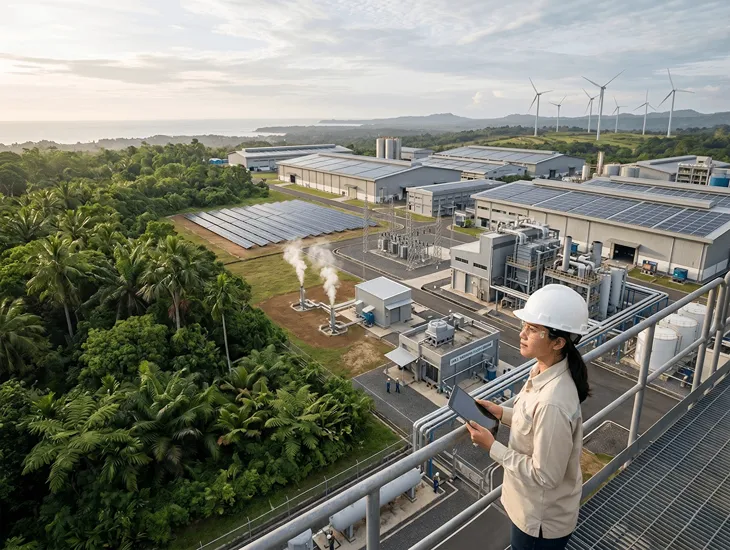
Foreign investors struggle to align environmental goals with local corporate structures. Navigating green initiatives without regulatory insights leads to confusion for international business founders operating across the archipelago.

Unclear guidelines regarding sustainable reporting create unexpected exposures. Owners worry that eco-friendly adjustments will lower immediate returns and complicate bookkeeping procedures unnecessarily.

Ignoring environmental benchmarks exposes your venture to regulatory pushback. Failing to integrate green accounting triggers heavy financial penalties and disruptive audits from revenue officers.

This regulatory exposure restricts your capital allocation and stalls expansion. Opaque tracking models diminish credibility and jeopardize your long-term legal commercial residency status.

Fortunately, aligning with official tax regulations unlocks massive economic opportunities. Proactive compliance transforms environmental tracking into a highly profitable corporate framework.

Our expert team handles complex reporting to secure your eco-friendly assets smoothly. We ensure your setup thrives within the evolving green economy landscape.

Economic Potential of Low-Carbon Trajectories

State representatives recently evaluated extensive economic projections regarding environmental reforms. Collaborative research reveals that pursuing green pathways delivers immense cumulative wealth adjustments across the next three decades.

These financial forecasts highlight that transitioning away from traditional emission structures yields multi-trillion rupiah returns. The country secures enhanced long-term stability by modernizing its baseline production architectures systematically.

Firms that embrace sustainable practices insulate their operations from volatile global resource markets. Strategic updates help local corporate structures capture new foreign investment inflows efficiently.

Corporate leaders must evaluate these macro projections to formulate robust capital growth roadmaps. Aligning early with sustainable growth objectives protects your business from shifting regulatory landscapes.

Strategic environmental restructuring creates tangible asset value for commercial entities. Your corporate ledger benefits immediately from reduced operational overhead and improved energy efficiency margins.

Investors who integrate clean energy protocols early establish a dominant market position. Securing your supply chain against future carbon penalties maximizes your overall enterprise valuation continuously.

Adopting sustainable infrastructure protocols early safeguards your regional operational capabilities. This framework allows international firms to minimize risk while compounding long-term capital yields securely.

Transitioning to sustainable systems fosters deeper resilience within volatile commercial spaces. It establishes an optimized financial ecosystem that supports consistent organizational expansion.

Carbon Trading Infrastructure in Indonesia 2026 – Registry portals and corporate compliance pathsThe national agenda outlines clear operational transitions across core industrial fields. Upgrading energy efficiency standards inside commercial manufacturing networks serves as a vital initial requirement for long-term growth.

Expanding clean energy alternatives like solar, wind, and geothermal power alters corporate infrastructure setups. Foreign-owned companies must integrate sustainable power options to satisfy local environmental parameters successfully.

Accelerating industrial electrification minimizes dependence on volatile fuel allocations. Adapting to Decarbonization in Indonesia prepares your corporate entity for upcoming national performance expectations.

Strategic land-use reforms and strict forest conservation models reinforce these technological adjustments. Protecting domestic ecological resources broadens the country’s carbon mitigation capacity significantly under current regulations.

Heavy industries must completely overhaul their existing mechanical production lines. Implementing advanced carbon capture systems provides a viable transitional strategy for enterprises facing strict emission limits.

Your corporate tax planning must reflect these necessary structural investments accurately. Accurately amortizing new green equipment purchases shields your taxable income during heavy capital transition periods.

National environmental strategies force corporate structures to implement transparent carbon auditing loops. This baseline validation workflow confirms your carbon compliance metrics satisfy current state guidelines.

Modernizing your infrastructure setups ensures long-term operational eligibility within premium economic sectors. It protects your manufacturing licenses from sudden adjustments by environmental regulators.
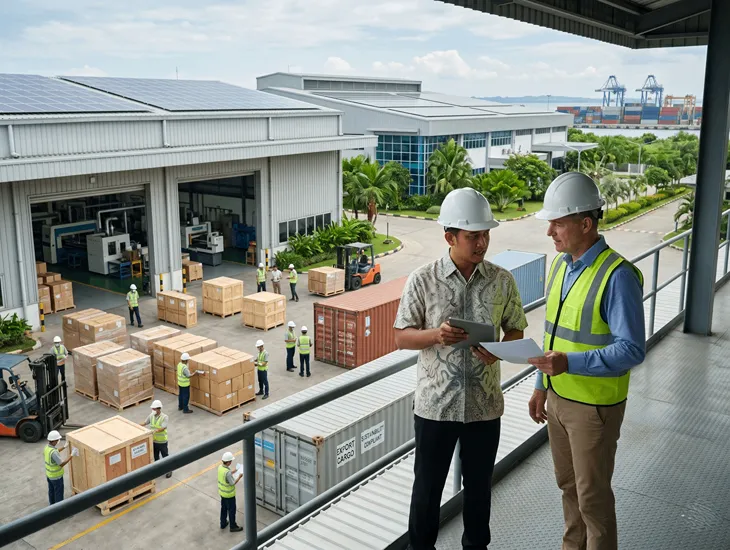
State analysts confirm that proactive environmental restructuring stimulates deep employment growth. Transitioning toward modern green services is projected to create millions of highly specialized technical roles by 2060.

Higher household income levels expand the domestic consumer base for all registered businesses. This commercial growth drives substantial tax collection volumes for the national treasury department.

Furthermore, minimizing air pollution lowers public healthcare expenditures substantially. Reducing occupational health disruptions keeps the local workforce highly productive and minimizes corporate absenteeism losses.

Improved energy security safeguards the country from external macroeconomic shocks. Lowering fossil fuel reliance frees up vital public capital for critical infrastructure development projects across the provinces.

This national fiscal optimization directly benefits localized commercial environments. Stronger state budgets facilitate the construction of modern logistical hubs that streamline your daily corporate supply chains.

Aligning your business growth with these national environmental targets creates political and economic goodwill. Ethical corporate governance consistently attracts premium local partnerships and favorable institutional credit rates.

Expanding the regional consumer base directly amplifies market demand for incoming enterprises. This long-term economic pattern provides a secure foundation for sustained profit generation.

Optimizing municipal infrastructure networks minimizes transport friction for logistics operators. Improved transport connectivity lowers overall corporate overhead and supports continuous regional network growth.

The government is actively building robust carbon pricing platforms to regulate industrial emissions. This centralized mechanism enables commercial entities to trade emission credits transparently within recognized parameters.

Recent international summits demonstrate the immense scale of this emerging financial sector. Millions of tons of carbon transactions are recorded annually through specialized state-monitored trading gateways.

Participating in approved offset frameworks requires rigorous environmental accounting validation routines. Enterprises must document their carbon output precisely to secure tradeable credits under current guidelines.

Our specialized compliance team guides corporate entities through these complex reporting workflows. We ensure your credit accounting aligns flawlessly with national audit standards to prevent administrative challenges.

Properly valuing carbon credits on your corporate balance sheet prevents unexpected tax liabilities. Accurate fiscal categorization ensures that your emission trading profits remain legally protected during routine inspections.

Foreign investors must map these emerging carbon frameworks against their global emission strategies. Synchronizing local operations with international holding company standards guarantees seamless cross-border regulatory compliance.

Failing to register carbon assets correctly results in severe balance sheet discrepancies. Opaque credit reporting triggers immediate institutional scrutiny from federal financial regulatory bodies.

Integrating validated offset models safeguards your business from double-counting liabilities during international evaluations. It maintains your operational credibility within competitive international carbon trading markets.

State authorities provide specific tax exemptions to foster green investments. Importers can secure extensive value-added tax relief when purchasing certified energy-efficient equipment.

Import duty exemptions minimize the initial capital requirements for foreign-owned manufacturing operations. These allowances encourage rapid technological modernization across various regional commercial zones.

Furthermore, developers focusing on Decarbonization in Indonesia can qualify for specialized corporate income tax holidays. These strategic reduction programs maximize initial profitability margins.

However, unlocking these fiscal benefits requires strict adherence to corporate substance rules. Investors must present verifiable engineering and accounting records to confirm their green operational compliance.

Misclassifying standard equipment as green technology invites severe regulatory backlash. Auditors aggressively penalize entities that attempt to abuse these specialized environmental tax relief frameworks.

We establish rigorous documentation procedures to substantiate your fiscal incentive claims. Professional oversight ensures that your enterprise safely captures every available state-sponsored financial advantage.

Applying for specialized fiscal deductions requires completing rigorous corporate asset verifications. Your accounting division must maintain separate ledgers tracking all environmental capital investments carefully.

Securing these government-backed holiday allocations enhances your immediate operational liquidity significantly. Proper corporate tax mapping transforms state incentives into a secure financial accelerator.

Sustainable Governance in Indonesia 2026 – Industrial emission boundaries and tax audit readiness guidelines for WNAsGlobal trade blocks enforce strict carbon borders that penalize non-compliant manufacturing operations. High-emission products face heavy import tariffs when entering international premium consumer marketplaces.

Failing to modernize your industrial processes creates massive export vulnerabilities. Opaque compliance documentation invites severe penalties and blocks access to lucrative overseas supply distribution systems.

Industrial emissions will escalate dramatically by 2050 without immediate structural adjustments. This unchecked carbon growth erodes your long-term cost competitiveness and triggers intensive government oversight.

Establishing transparent carbon reporting structures protects your enterprise from international market restrictions. Clean corporate bookkeeping proves your local commercial activity respects international green compliance boundaries.

Revenue agencies now scrutinize environmental disclosures alongside standard financial statements. Inconsistent data reporting generates immediate institutional suspicion regarding your overall corporate governance health.

Our team synchronizes your environmental and fiscal documentation seamlessly. We eliminate structural discrepancies to maintain your unimpeded access to highly regulated foreign export markets.

Failing to satisfy overseas border parameters immediately depreciates your product’s international market valuation. Non-compliant enterprises risk losing core distributor relationships due to unexpected tax cost spikes.

Establishing an audited paper trail ensures your company navigates shifting border penalties smoothly. Proactive documentation shields your cross-border supply lines from catastrophic border terminal detentions.

When Jochen, a 43-year-old eco-industrial founder from Germany, first arrived in Pererenan, he struggled with complex environmental accounting requirements for his clean-technology corporate setup.

His company imported solar components without securing the correct statutory import duty exemptions. The automated customs system flagged his shipment immediately, causing a major logistical bottleneck.

The customs blockade threatened to derail his manufacturing launch schedule. Jochen faced severe contract penalties because his internal team could not resolve the regulatory documentation mismatch.

Realizing the error, he sought expert compliance guidance to resolve the customs dispute. Our specialists quickly compiled the necessary green incentive certifications and updated his ledger.

We successfully cleared the government verification check and released his imported assets within days. Jochen successfully launched his clean-energy project under full regulatory compliance.

This case underscores how vital precise documentation is for capturing environmental incentives. Accurate initial filings prevent costly delays and protect your commercial capital from administrative freezes.

Properly coordinating your asset registration workflows avoids unnecessary structural friction at entrance terminals. It allows your management team to maintain uninterrupted launch momentum across all islands.

Securing specialized import clearances safeguards your initial financial projections from unforeseen custom tariffs. Professional compliance verification ensures your green entity remains structurally sound from day one.

Sustainable operations require a continuous, proactive corporate governance strategy. Modern businesses cannot treat carbon compliance as a single, minor paper-ticking obligation during annual filings.

We provide specialized mapping diagnostics to align your corporate structure with green incentives. Our team prepares meticulous corporate filings that satisfy both environmental boards and tax authorities.

Our comprehensive services include managing carbon accounting profiles and updating corporate records seamlessly. We establish rigorous internal controls so your enterprise remains completely audit-ready under current guidelines.

For international investors, we integrate Decarbonization in Indonesia into your broader company setup plans. Early preparation safeguards your financial and legal standing across the entire archipelago safely.

Professional oversight removes administrative stress and shields your commercial capital from disruptive operational blocks. Let our dedicated team guide your green business venture toward stable long-term profitability.

Investing in specialized compliance support ultimately reduces your operational risk profile. Secure your corporate foundation today to leverage the emerging green economy effectively.

Maintaining immaculate balance sheets ensures your business retains its unassailable regulatory standing. Our continuous monitoring systems protect your asset configurations from unexpected tax audit adjustments.

Partnering with an experienced local firm bridges the gap between global frameworks and regional statutory rules. We insulate your commercial operations from administrative friction securely and professionally.

Authorities estimate cumulative economic benefits worth Rp7,000 trillion by 2060.

Yes, green investments are estimated to return around USD 1.41 billion per USD 1 billion.

Yes, qualified entities can claim extensive value-added tax and import duty relief.

Non-compliant firms face heavy administrative fines, export restrictions, and portal blacklisting.

Compliant updates regarding Decarbonization in Indonesia open pathways to specialized tax allowances.

Need help with Decarbonization in Indonesia, Chat with our team on WhatsApp now!

jmacompany@gmail.com

This author has not yet provided a bio.