Jakarta Traffic Tax Reform 2025 – PT PMA policy insights, Ministry of Finance vehicle tax compliance, and sustainable urban mobility strategy in Indonesia
December 18, 2025

Solving Jakarta’s Traffic Crisis with Progressive Tax Policies

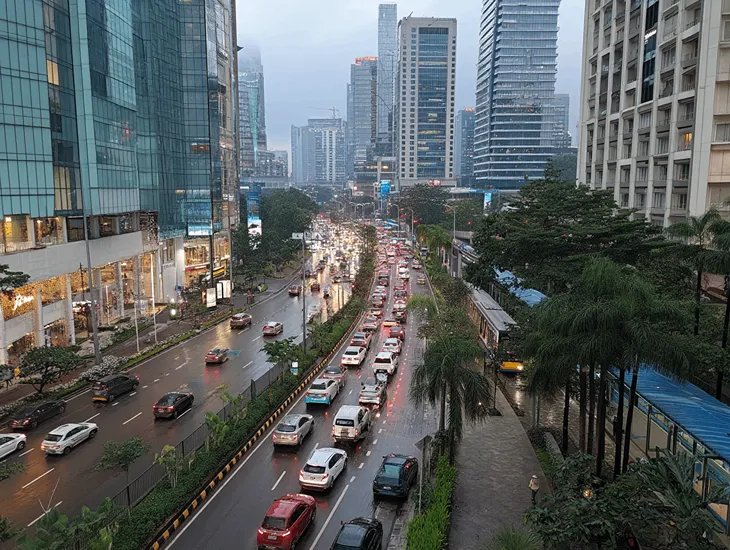
Jakarta’s traffic isn’t just a headache — it’s a daily economic and social loss that drains time, money, and health for millions of people. Businesses face costly delays while families spend hours commuting instead of living 🚗💨.

Smarter taxation can change behavior without punishing growth, especially when designed transparently by agencies such as the Directorate General of Taxes. Higher rates for high-emission or luxury vehicles, plus time-bound congestion charges, can steer trips toward cleaner, faster options 🌿.

Clear fiscal rules and earmarked revenue — overseen by the Ministry of Finance — can fund bus rapid transit, rail upgrades, and seamless ticketing. Incentives for low-emission fleets and park-and-ride hubs help commuters shift from private vehicles to mass transit 🚆.

Well-sequenced policy bundles and data-driven monitoring — supported by macro guidance from Bank Indonesia — keep mobility affordable while protecting productivity. When pricing, investment, and enforcement align, congestion eases and air quality improves 🚌.

Imagine a Jakarta with reliable buses, protected corridors, and shorter door-to-door journeys. With public support for fair, progressive taxes and transparent use of funds, the city can move from gridlock to livability 🌱.

Why Jakarta's Traffic Needs Progressive Tax Reform Now 🚗

Jakarta’s traffic congestion is not just an everyday complaint — it’s a public crisis with real economic and human costs. Millions of commuters lose hours a week stuck in gridlock, businesses waste money on fuel and logistics delays, and health risks rise due to air pollution caused by vehicle emissions. 🚦

The core issue? Too many private cars and motorbikes on roads not built for current demand. Studies show that for every 1,000 people in Jakarta, more than 400 own a motorbike and almost 100 own a car. Add ride-hailing fleets and you get a perfect storm of movement overload. 🚘

Progressive tax reform focuses on charging more for behaviors that make traffic worse — such as buying luxury cars, using high-emission vehicles, or driving in busy areas during peak times. The goal isn’t to punish car owners, but to promote smarter, greener habits like public transit, carpooling, or using low-impact vehicles.

Reforming taxes is one way Jakarta can shift flow toward sustainable transportation, reduce emissions, and fund better mobility systems without requiring endless new infrastructure.

Jakarta Congestion Tax Policy 2025 – PT PMA transport compliance, Ministry of Finance vehicle tax strategy, and sustainable mobility reform in IndonesiaCongestion taxes are used by many cities worldwide to reduce traffic during peak hours. The idea is simple: charge vehicles that enter high-traffic zones during busy times, pushing some drivers to switch to public transport or travel off-peak.

In Jakarta, a congestion charge in Sudirman–Thamrin or Senayan could help cut vehicle numbers dramatically — especially since 72% of daily commuters travel alone by motorbike or car. A flexible fee system makes road use fairer while encouraging shared or eco-friendly transport. 🛵

If implemented correctly, such a tax would:

✅ Reduce car volume in key city areas
✅ Lower CO₂ emissions from idle vehicles
✅ Encourage use of MRT, TransJakarta, and future LRT lines
✅ Raise funds to reinvest in cleaner transport options 🚆

This is not a fantasy — it’s a proven tactic. The key is rollout supported by public education, digital payment options, and visible improvements in public infrastructure.

If progressive taxes go into effect, companies with logistics fleets, staff shuttles, or executive cars may be affected. That doesn’t mean worse business — it just means smarter planning.

Under a vehicle-based taxation system, businesses might pay higher taxes for diesel trucks or luxury cars — but enjoy reduced tax for low-emission vehicles, vans, or hybrid office fleets. 🌱

Companies may need to:

  • Reevaluate company fleet types
  • Claim eco-incentives for fuel-efficient upgrades
  • Use route optimization tech to avoid costly zones
  • Encourage staff carpooling or ride-share subsidies 🚐

These efforts not only reduce tax costs — they can boost employee well-being, reduce delays, and improve public brand image too.

Jakarta is not the first to face congestion chaos. Cities like London, Singapore, Milan, and Stockholm introduced smart transport taxes and saw massive improvements:

🔹 London reduced traffic by 30% with congestion charges
🔹 Singapore controls vehicle and road use using electronic pricing
🔹 Milan created “Area C” to ban old polluting vehicles from downtown
🔹 Stockholm used trial periods to convince the public before making taxes permanent

These cities proved that tax systems work when routes are planned, public transit is improved, and revenue is transparently reinvested.

If Jakarta follows that roadmap, similar success is absolutely possible. 🏙️

The goal of progressive transport tax is not to collect more money — it’s to fund a better city experience for everyone. With revenue from congestion or emissions taxes, Jakarta can:

✅ Expand MRT and LRT lines to underserved areas
✅ Add safer sidewalks and protected bike lanes
✅ Modernize TransJakarta bus shelters and fleet
✅ Create one-card or QR code unified ticketing
✅ Add park-and-ride hubs near toll gates and stations

Better infrastructure creates a feedback loop: fewer cars → less traffic → higher demand for public transport → more funding → better travel for all.

A win-win 🔁 for residents, schools, companies, and tourists.

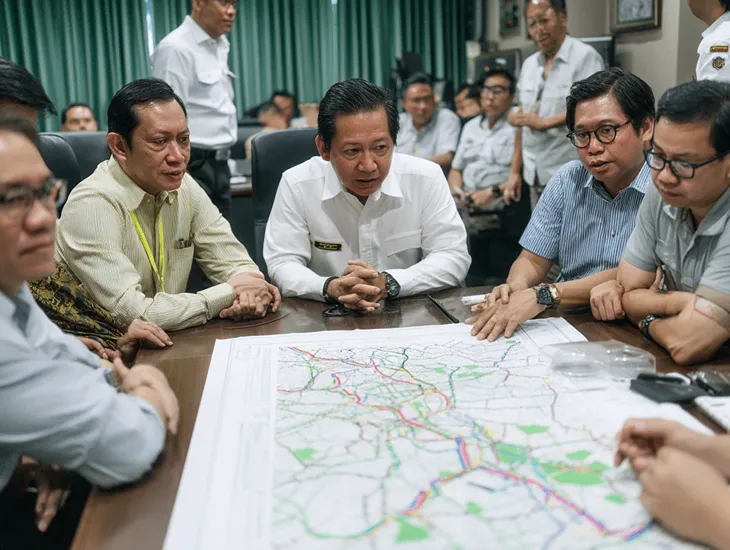
Jakarta Mobility Reform 2026 – PT PMA policy coordination, Ministry of Finance vehicle tax integration, and cross-agency transport modernization in IndonesiaSeveral major bodies will play a role in delivering progressive tax policies and transport reforms. These include:

  • Jakarta Provincial Government — leads local infrastructure and mobility projects
  • Ministry of Transportation — regulates national transport policy and permissions
  • Ministry of Finance — handles fiscal system and tax framework
  • Jakarta Transportation Agency (Dishub) — daily implementation and routing decisions
  • Bappenas — long-term urban policy integration into national plans

For these policies to work, cross-agency collaboration must be fast, transparent, and accountable. Without it, even the best tax plans will get stuck in administrative traffic 💡.

Meet Farhan, a 29-year-old project manager living in Tebet, South Jakarta. For years, Farhan used his 2012 Honda Civic for daily commutes to SCBD. The trip took 90 minutes each way, and parking alone cost him Rp 1.2 million per month. He knew it was exhausting, but there weren’t many alternatives.

Then came the 2026 vehicle tax update.

His Civic was classified as “high-emission,” and a new congestion fee applied to cars entering the Semanggi–Sudirman area on weekday mornings. Overnight, Farhan’s cost of driving jumped by Rp 550,000 per week 🚦.

So he tried something new:

Train + Shared scooter.

Tebet → Sudirman MRT → Electric GoRide → Office.

Travel time? 42 minutes. Cost? Rp 17,000/day.

He didn’t need to wait in traffic, didn’t spend money on gas, and was no longer tired by 11am. 📉

Farhan now shares this routine with friends. Three of his coworkers from Bekasi switched to LRT after the same tax structure rolled out in West Jakarta. What pushed them? Cost, convenience — and realizing their choices could shape a fairer, greener city.

This is how smart tax reform works: not by punishing individuals, but by nudging society toward better habits.

Getting ready for this new system doesn’t mean giving up your vehicle — it means exploring better ways to move:

✅ Try bus–train–ride-share combos on weekdays
✅ Evaluate if your bike, scooter, or second car is actually saving money
✅ Carpool with neighbors who share a route
✅ Use real-time traffic apps to find low-tax corridors or off-peak windows
✅ Study discounts for EV purchases and renewable vehicle plates 🔋

When you plan ahead, progressive tax policies feel less like rules, and more like opportunities — for cheaper travel, less stress, and faster commutes.

Mostly private cars and motorbikes in high-traffic areas or emissions brackets.

New funding will support subsidized pricing for students, seniors, low-income workers.

No system can do that — but it can cut congestion by 20-40% in key areas.

Yes, especially high-carbon or non-compliant units under emissions rules.

Not exactly. It’s behavior-based charging, not distance-based.

Park-and-ride stations and “feeder” shuttle buses will expand over time.

Need expert tips on smart transport tax planning in Jakarta? Chat with us on WhatsApp! ✨

Gita

Gita is graduate from Udayana University and a dedicated blog writer passionate about crafting meaningful, insightful content with focus on topics related to work, productivity, and professional growth.