

Indonesia sea-sand export duty 2025 – rates, compliance certificates, and customs reporting
December 20, 2025

4 Key Impacts of Indonesia’s Reinstated Sea-Sand Export Duty
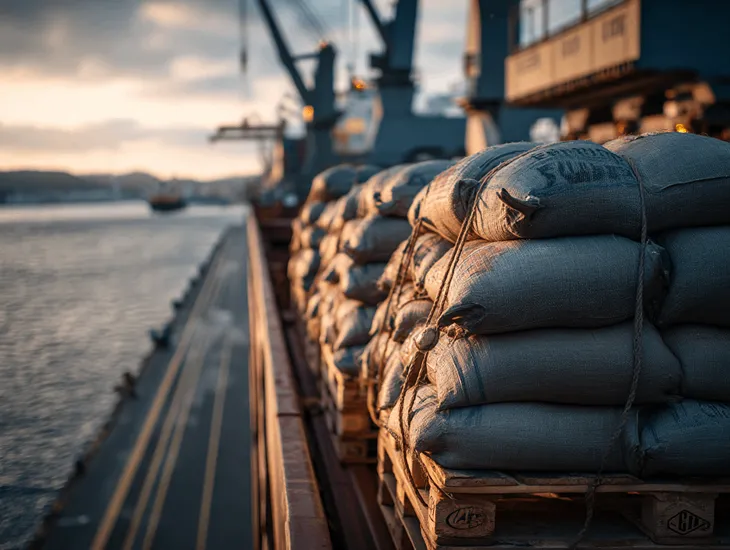
After a 20-year suspension, Indonesia’s sea-sand export duty has officially been reinstated 🌊. While this decision aims to regulate environmental sustainability and support state revenue, it also sparks concern among exporters, logistics companies, and investors 💼. The change redefines how coastal mining operations report, ship, and price marine commodities, and many businesses are still adapting to the new tariff calculation system.

According to the Directorate General of Taxes and the Ministry of Finance, this reinstatement is designed to ensure transparency in the extraction and export of marine resources 🌏. Under the new rules, export duty rates vary based on quality, volume, and environmental compliance certification. These updates also complement Indonesia’s broader marine policy reforms issued through the Ministry of Maritime Affairs and Fisheries, which emphasize traceability and sustainable coastal management 📊.

A marine materials exporter from Batam shared that after adjusting to the new export duty structure, his company achieved smoother customs clearance and improved buyer confidence ✨. This shows that adapting early to new fiscal and environmental frameworks is not only a matter of compliance—but also a competitive advantage. For stakeholders in coastal resource industries, now is the time to reassess your export planning and tax reporting strategies before new audit cycles begin.

Understanding Indonesia’s Reinstated Sea-Sand Export Duty 🌊

After a 20-year break, Indonesia has brought back its sea-sand export duty, marking a new era in marine trade regulation. This policy means companies exporting sea sand must now follow tighter fiscal and environmental guidelines. The government’s goal is simple — balance economic growth with ecological sustainability 🌏.

The export duty Indonesia now varies depending on sand quality, volume, and environmental certifications. This ensures only licensed exporters can operate under strict oversight. Many young entrepreneurs in coastal regions are learning how this shift impacts global trade. It’s a reminder that every grain of sand counts toward sustainable growth 🌿.

Businesses need to understand that this move isn’t just about taxation; it’s about accountability. The return of this policy reinforces Indonesia’s position as a responsible marine economy while pushing industries to improve transparency and compliance 📊.

The marine export tax policy was reinstated for three main reasons — revenue, regulation, and restoration 🌊. The government aims to secure fair state income from natural resources while protecting the environment. The Ministry of Finance and related agencies ensure that each export aligns with Indonesia’s marine protection commitments.

Another driving factor is transparency. In the past, unmonitored exports led to environmental degradation and financial loss. Now, exporters must provide verified data, proof of origin, and sustainability certificates before shipping materials 🚢.

These reforms also attract responsible investors. Companies that comply benefit from smoother customs clearance, better international trust, and a cleaner public image ✨. The marine export tax policy is not a barrier but a bridge — connecting economic progress with ecological care.

Export duty Indonesia 2025 – sea-sand compliance, port verification, and environmental permit requirements
For many coastal mining firms, the reinstated
export duty Indonesia means restructuring operations and reporting systems. Small and medium enterprises (SMEs) must now upgrade their accounting tools and traceability mechanisms 💻.

The cost of compliance has slightly increased, but it also brings long-term stability. Proper documentation and verified extraction records lead to faster clearance at ports. Companies that previously relied on informal brokers are now shifting toward certified export agents 🌏.

This new model encourages fair competition and discourages overexploitation of marine ecosystems. While adaptation takes time, it builds a healthier business ecosystem for Indonesia’s maritime future ⚓. Forward-thinking exporters view these changes not as obstacles but as opportunities to align with sustainable global standards.

Shipping companies are among the first to feel the effects of the new Indonesia sea-sand export duty. Logistics partners must coordinate with customs offices and environmental agencies to ensure every shipment meets documentation standards 📄.

Port management systems now require real-time tracking, weighing, and verification of exported sand volumes. This helps authorities monitor extraction rates and reduce illegal transportation risks 🌿.

While these updates add new layers of responsibility, they also improve industry credibility. Buyers abroad now trust Indonesian exporters more, knowing the products come from regulated and sustainable operations. In the long run, these logistics updates make Indonesia a leader in transparent marine trade 🌏.

Environmental compliance plays a central role in the marine export tax policy. Exporters must now obtain Environmental Impact Assessment (AMDAL) approval and renewable extraction permits before exporting 🌊.

This ensures that sand dredging does not damage coral reefs or disrupt local fishing communities. Firms are encouraged to adopt eco-friendly dredging technology and follow guidelines issued by the Ministry of Maritime Affairs 📊.

Violations may result in export license suspension or fines, emphasizing the government’s strict stance on sustainability. For young readers, it’s inspiring to see how policy can protect oceans while maintaining trade flow 🌺. Responsible business isn’t just profitable — it’s ethical, too.

Indonesia sea-sand export duty 2025 – duty rates, sustainability scoring, audit-proof documentsCalculating the Indonesia sea-sand export duty now involves multiple variables — product grade, export destination, and sustainability score 💼. The duty rate may range from 5% to 10% depending on sand type and certification.

Exporters are advised to consult tax professionals or refer to official customs tables to determine exact rates. Digital tax reporting systems simplify this process, minimizing calculation errors 🌏.

Proper documentation also reduces disputes during audits. Companies that maintain accurate logs and comply with the marine export tax policy gain smoother transactions, faster refunds, and fewer compliance issues ✨. Transparency pays off, literally.

To ensure full compliance, the Indonesian government has strengthened coordination between the Ministry of Finance, Customs Office, and the Directorate General of Taxes 🌊. These agencies now share data to prevent underreporting and ensure that every exporter follows the law.

Blockchain-based reporting systems are being tested to improve traceability and minimize corruption risks 📊. This reflects Indonesia’s larger digital transformation in fiscal governance.

For students and young entrepreneurs, it’s a valuable lesson — technology and honesty can coexist to build trust. As Indonesia refines its marine export tax policy, transparency becomes its strongest export.

Meet Ardi Santoso, a 34-year-old entrepreneur from Batam. He runs a mid-sized marine materials export company that ships construction sand to Singapore. When the export duty to Indonesia returned, his costs initially rose. But instead of complaining, Ardi adapted 💼.

He studied the new marine export tax policy, attended local seminars, and upgraded his company’s compliance systems 🌏. By digitalizing inventory records and getting proper environmental certifications, his team cut clearance time by 40%.

Buyers noticed. “We now trust your products more,” one client said. Ardi’s revenue increased despite higher taxes because transparency built confidence. His journey shows that adapting early, staying informed, and respecting regulations create a competitive edge. Ardi proved that sustainable business isn’t a burden — it’s the smartest investment.

To balance state revenue with environmental sustainability and regulate coastal mining.

All registered exporters dealing in marine or sea-sand materials must comply.

Environmental certification, export licenses, and proof of extraction origin.

Based on product quality, quantity, and sustainability compliance under the marine export tax policy.

Penalties may include fines, export suspension, or revocation of operating permits.

Need help understanding Indonesia’s sea-sand export duty? Chat with our experts now on WhatsApp! ✨

Gita

Gita is graduate from Udayana University and a dedicated blog writer passionate about crafting meaningful, insightful content with focus on topics related to work, productivity, and professional growth.